Introduction — The Global Economic Center Is Shifting.
The global economic landscape is undergoing a gradual but powerful transformation. Traditional economic powerhouses remain influential, yet emerging markets are gaining momentum through demographic growth, digital adoption, infrastructure development, and industrial expansion.
Identifying the top growing economies 2030 is essential for investors, businesses, and policymakers seeking to understand where innovation, consumption, and production will accelerate. Growth in the coming decade will not be defined solely by size, but by adaptability, technology integration, and youthful populations.
The next era of economic leadership will emerge from nations combining resilience with opportunity.
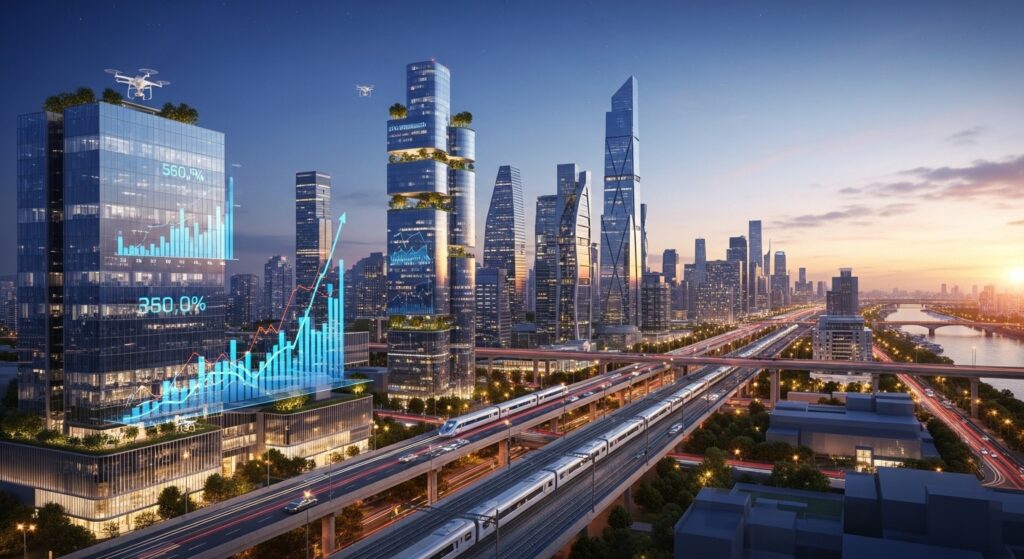
🇮🇳 India — The Demographic and Digital Giant.
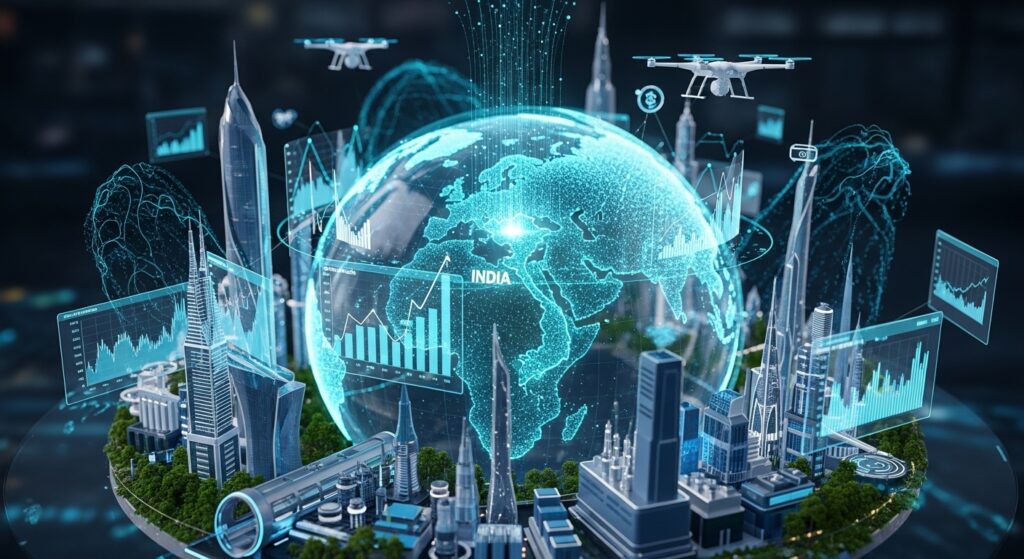
India is widely projected to remain one of the fastest-growing major economies due to its young population, expanding middle class, and rapid digital transformation.
Government investments in infrastructure, manufacturing initiatives, and fintech innovation are strengthening economic momentum. The country’s startup ecosystem and service sector expansion further reinforce its long-term growth trajectory.
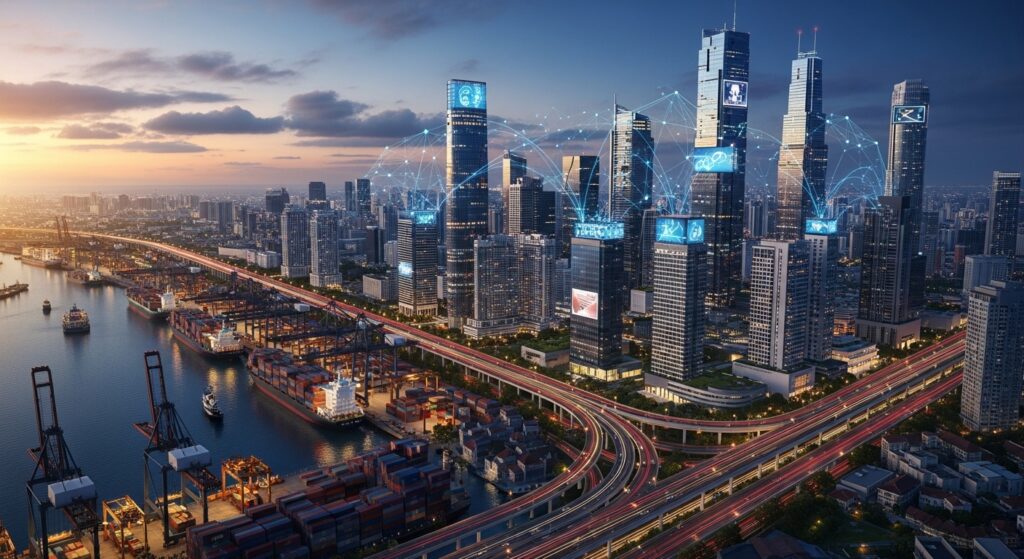
🇮🇩 Indonesia — Southeast Asia’s Consumption Powerhouse
Indonesia is benefiting from strong domestic consumption, urbanization, and digital economy expansion. Its strategic geographic position and resource base add to its growth potential.
Investment in infrastructure and technology is positioning Indonesia as a central player in regional trade and manufacturing networks.
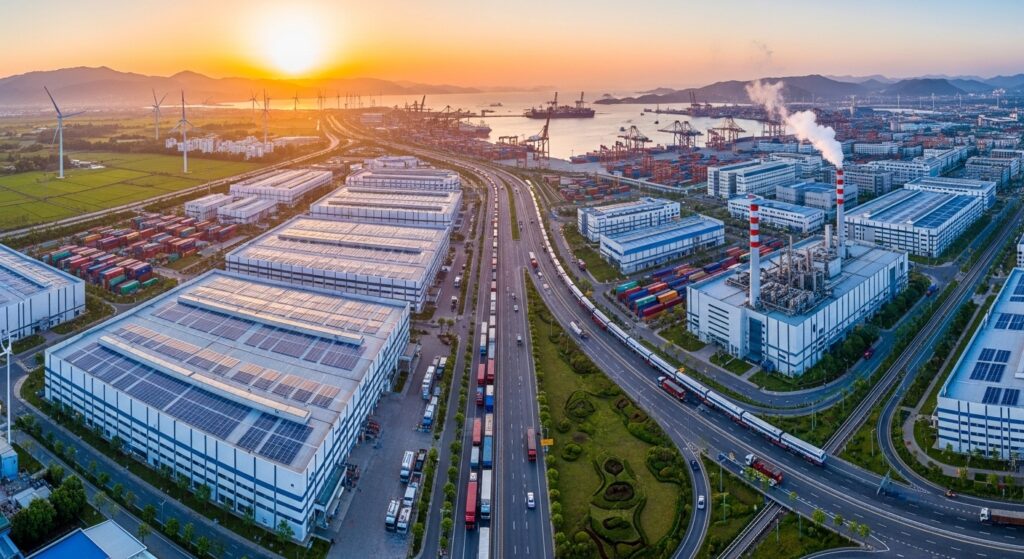
🇻🇳 Vietnam — Manufacturing and Export Acceleration
Vietnam has emerged as a manufacturing alternative due to competitive labor costs, favorable trade agreements, and export-oriented policies.
The country continues attracting global supply chain diversification, strengthening its position in electronics, textiles, and industrial production.
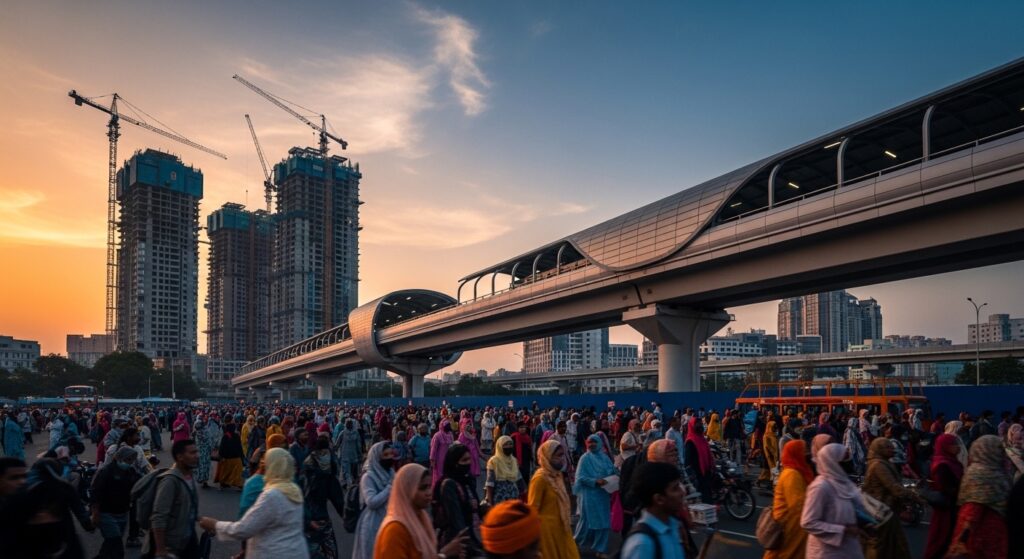
🇧🇩 Bangladesh — Rapid Industrial and Textile Growth
Bangladesh is demonstrating strong growth through its textile industry, remittances, and expanding workforce participation.
Infrastructure development and digital financial inclusion are supporting economic stability and long-term expansion.
🇳🇬 Nigeria — Africa’s Demographic and Resource Potential
Nigeria combines a rapidly growing population with natural resource wealth and increasing entrepreneurial activity. Technology adoption and fintech innovation are unlocking new economic pathways.
Challenges remain, but demographic momentum offers significant long-term growth potential.
🇵🇭 Philippines — Service Sector and Digital Workforce Expansion
Philippines is strengthening its economic outlook through business process outsourcing, digital services, and a young, English-speaking workforce.
Remittances and growing domestic consumption continue to support stable expansion.
Key Drivers Behind Emerging Economic Growth
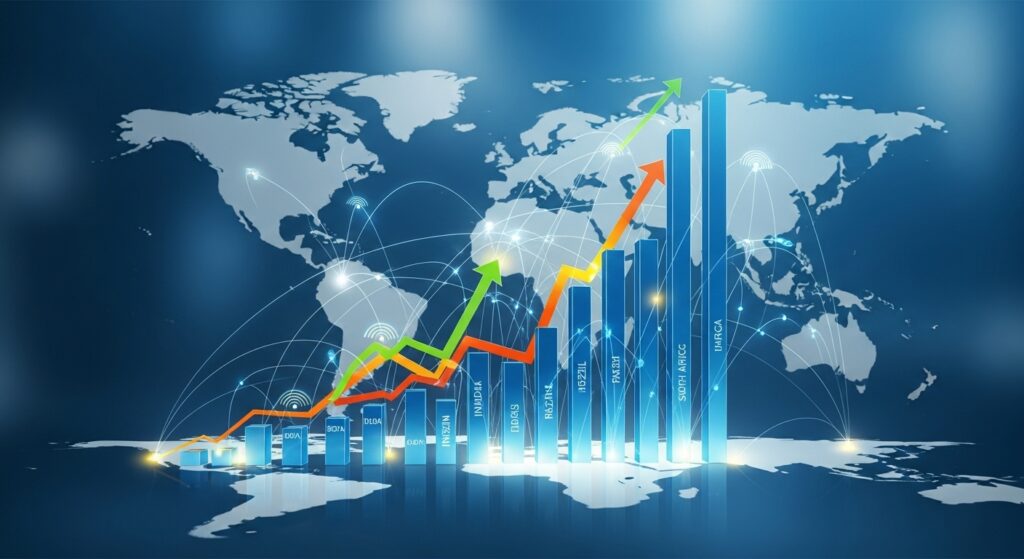
Several shared factors explain why these economies are gaining momentum:
- youthful demographics and expanding labor forces
- digital adoption and mobile connectivity
- infrastructure and urban development
- foreign direct investment inflows
- supply chain diversification
These drivers collectively indicate a gradual redistribution of global economic activity toward emerging markets.
Risks That Could Influence Growth Trajectories
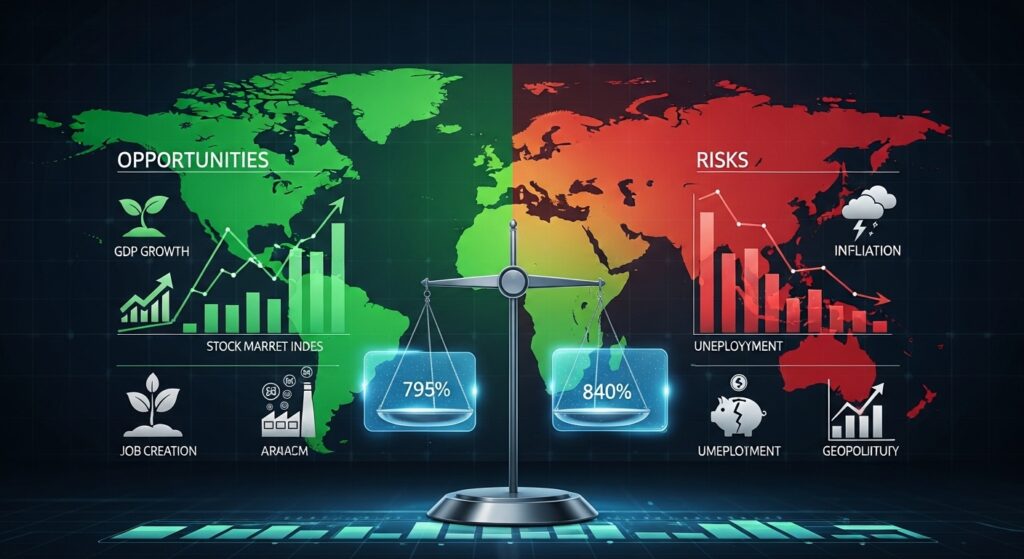
While growth prospects are strong, emerging economies face risks including political instability, climate vulnerability, infrastructure gaps, and global economic fluctuations.
Sustainable policy decisions and institutional strengthening will determine whether projected growth materializes.
Conclusion — The Next Economic Leaders Are Already Emerging
The top growing economies 2030 reflect a broader shift toward demographic vitality, digital innovation, and regional economic diversification. These nations are not merely catching up; many are redefining global production, consumption, and technological development patterns.
For investors and businesses, understanding these emerging growth centers is essential for navigating the next decade of global economic transformation.
The future global economy will be more distributed, dynamic, and opportunity-rich than ever before.
- For You