Introduction — A World More Connected Than Ever
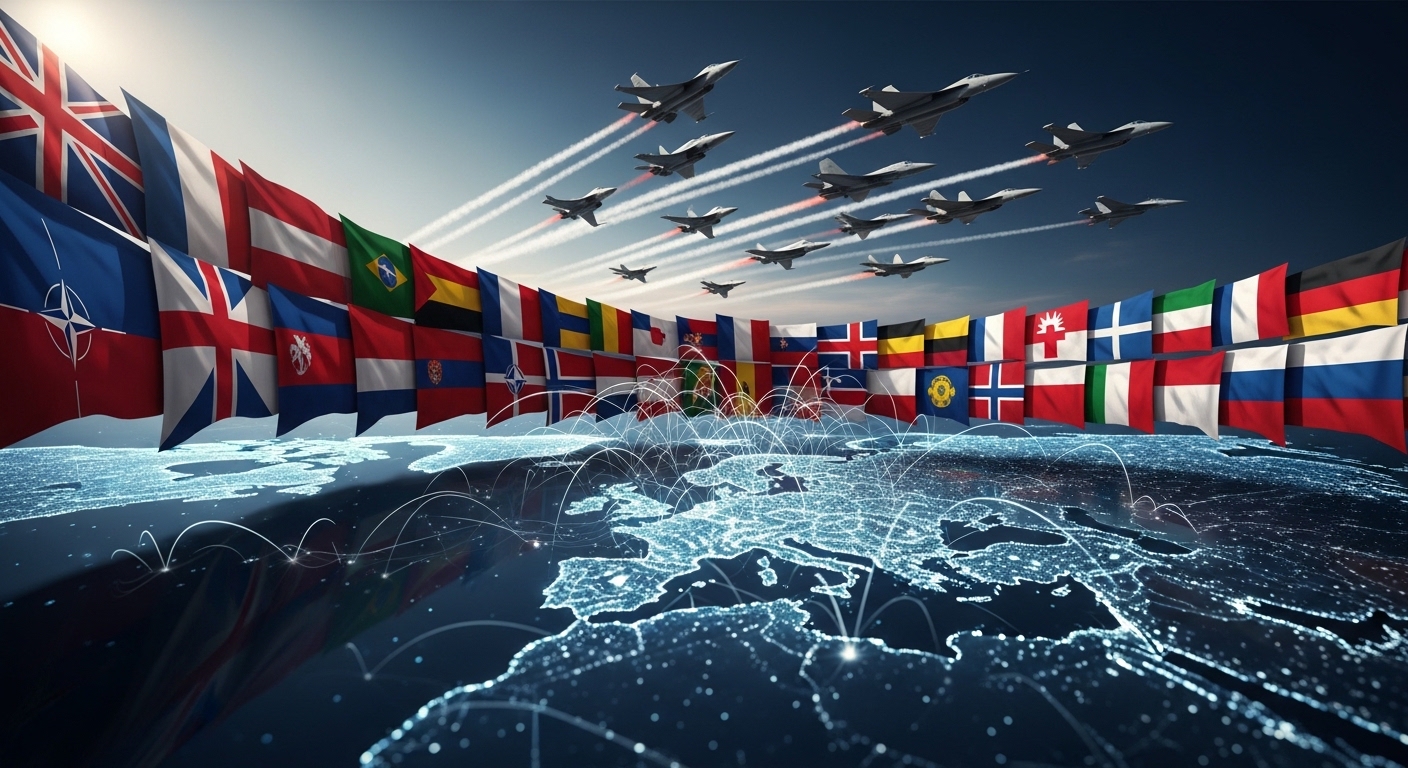
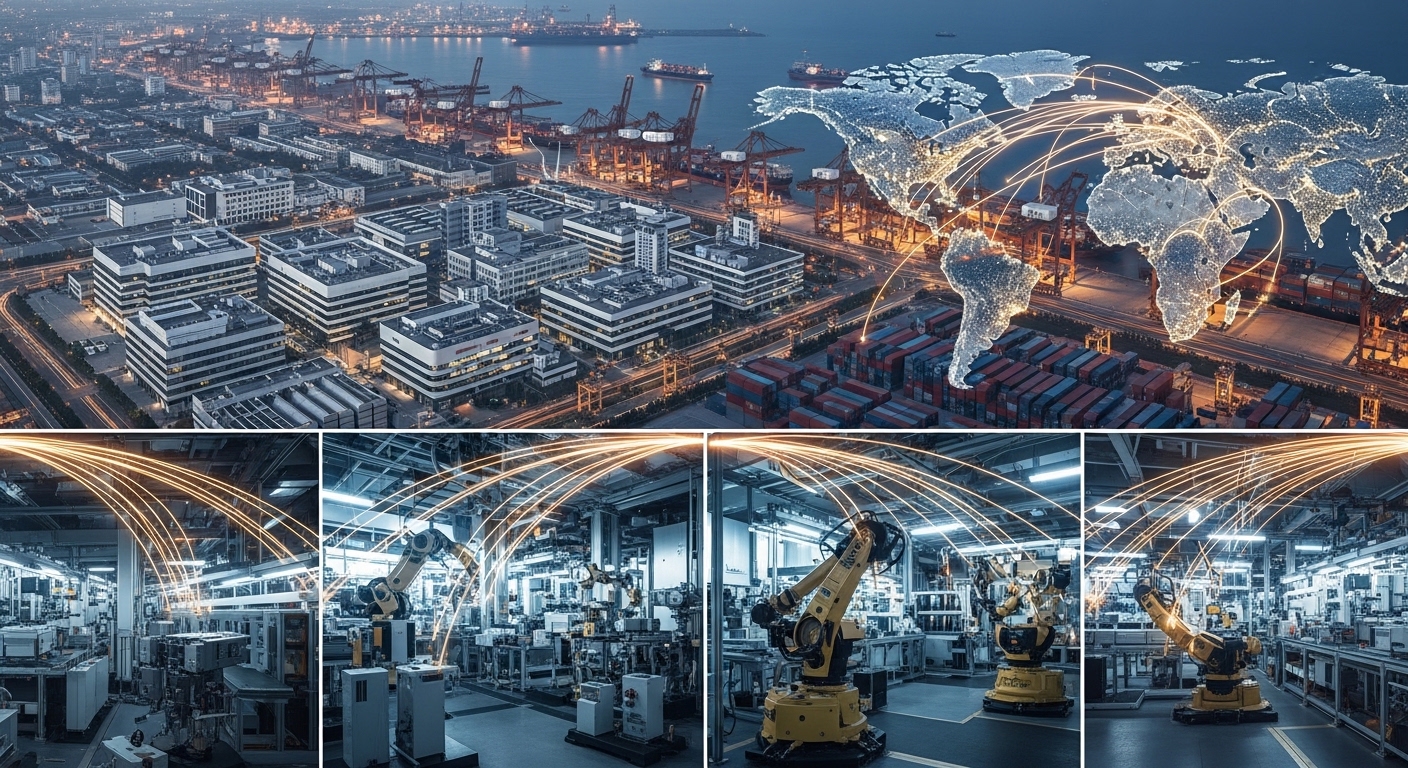
Globalization has transformed not only economies and trade but also the way cultures evolve, interact, and influence one another. Advances in communication, transportation, and digital technology have enabled ideas, traditions, and lifestyles to cross borders more rapidly than at any point in history.
The impact of globalization on culture is both unifying and complex. While it fosters cultural exchange and shared experiences, it also raises questions about identity, authenticity, and the preservation of local traditions.
Understanding how globalization changed culture worldwide reveals how interconnected societies are shaping a new global cultural landscape.

Media and Entertainment as Cultural Bridges
Global media platforms have played a powerful role in spreading cultural influence across borders. Films, music, and streaming content allow audiences to experience lifestyles and traditions from distant regions.
The global popularity of industries such as Hollywood and the rise of Korean pop culture through South Korea demonstrate how entertainment can shape fashion, language, and social trends worldwide.
Digital streaming has accelerated cultural diffusion, making global entertainment more accessible than ever.
Food and Lifestyle Globalization
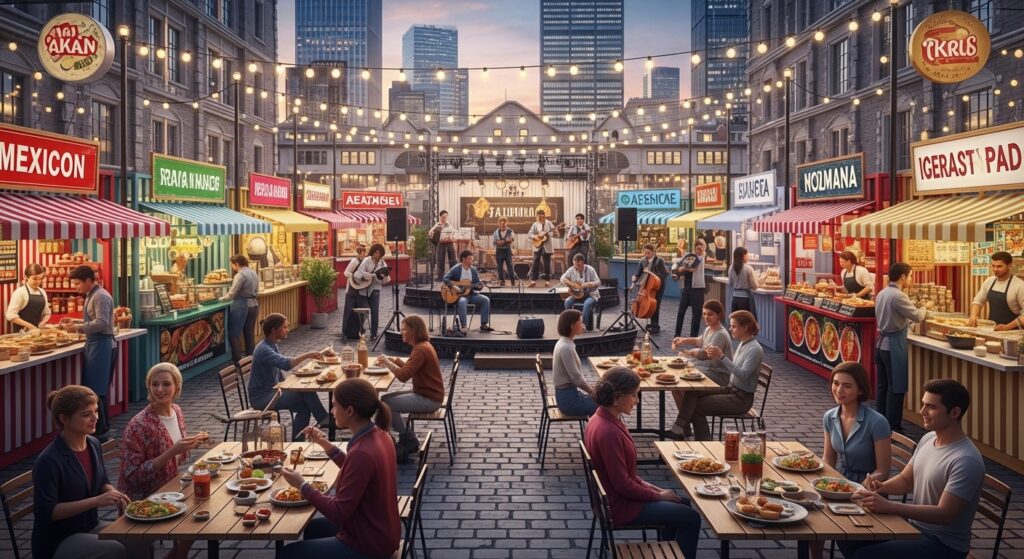
One of the most visible effects of globalization is the international spread of food culture. Cuisines that were once regionally confined are now enjoyed worldwide, creating shared culinary experiences.
Global restaurant chains such as McDonald’s coexist with the international popularity of traditional cuisines like sushi, biryani, and tacos, reflecting a blend of cultural exchange and adaptation.
Food globalization often acts as an entry point for deeper cultural curiosity and understanding.
Language, Communication, and Digital Culture
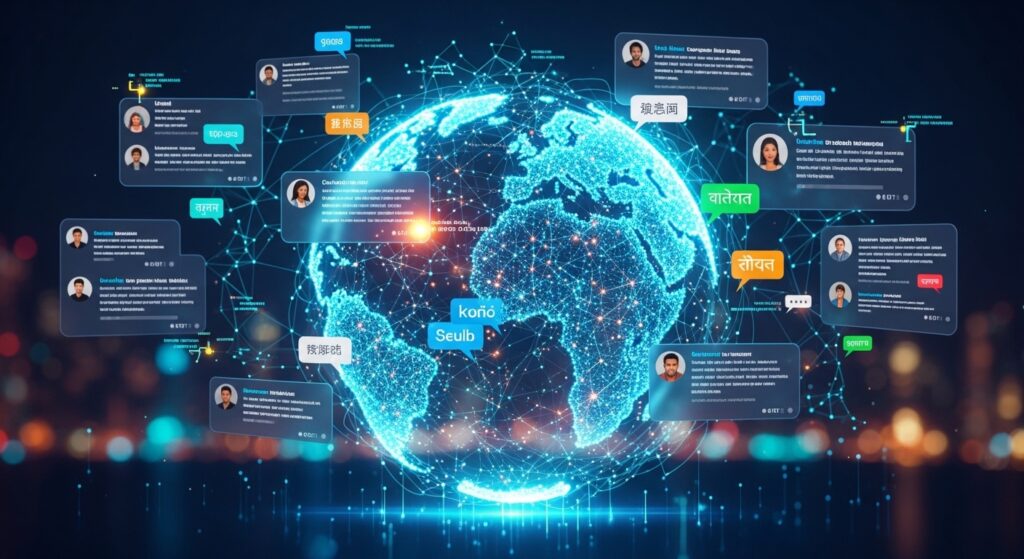
The rise of the internet and social media has accelerated cultural interaction through shared language and communication platforms. English has become a dominant global communication medium, enabling cross-border collaboration and cultural exchange.
At the same time, digital culture allows local voices to reach global audiences, preserving linguistic diversity while fostering international dialogue.
This balance between global communication and local identity defines modern cultural interaction.
Migration and Cultural Exchange
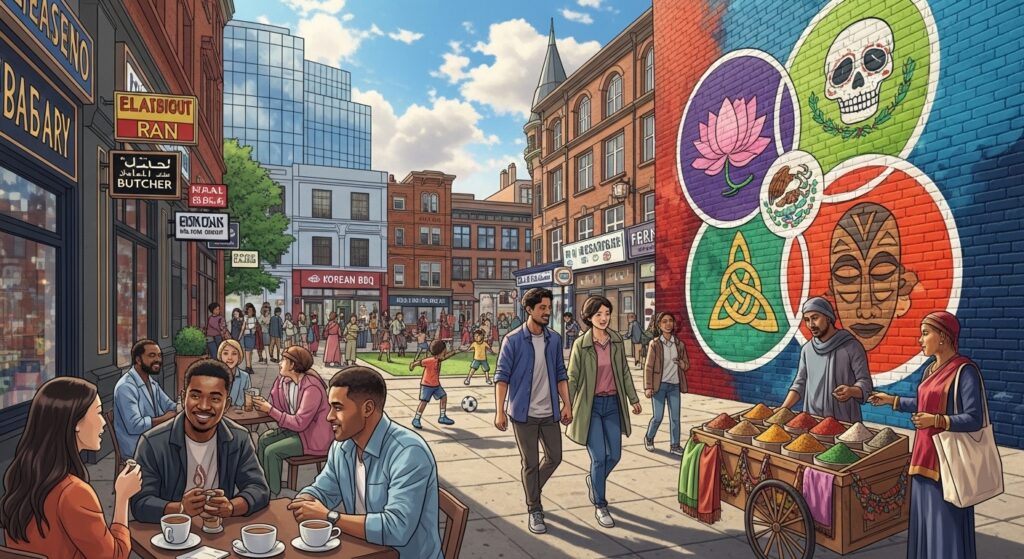
Migration plays a major role in cultural transformation by introducing traditions, values, and perspectives into new environments. Diaspora communities often blend cultural practices, creating hybrid identities that reflect both heritage and adaptation.
Cities around the world increasingly function as cultural crossroads, where diversity contributes to innovation, creativity, and social evolution.
Cultural Homogenization vs Cultural Preservation
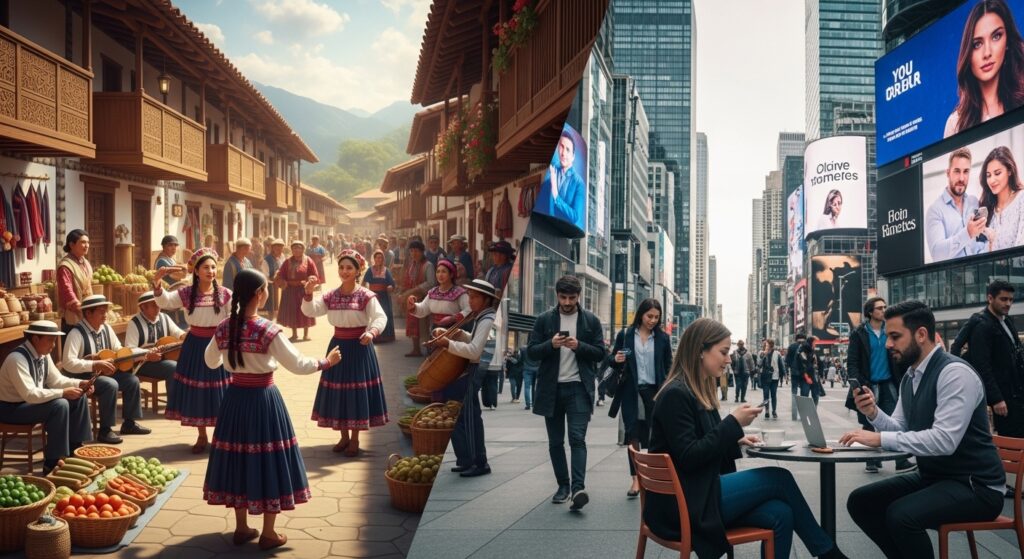
A common debate surrounding globalization is whether it leads to cultural homogenization — the gradual loss of local traditions — or cultural enrichment through exchange.
While global brands and media can influence lifestyle choices, many communities actively preserve traditional practices, languages, and artistic expressions.
This tension between adaptation and preservation highlights the complexity of cultural globalization.
Technology and the Rise of Shared Global Identity
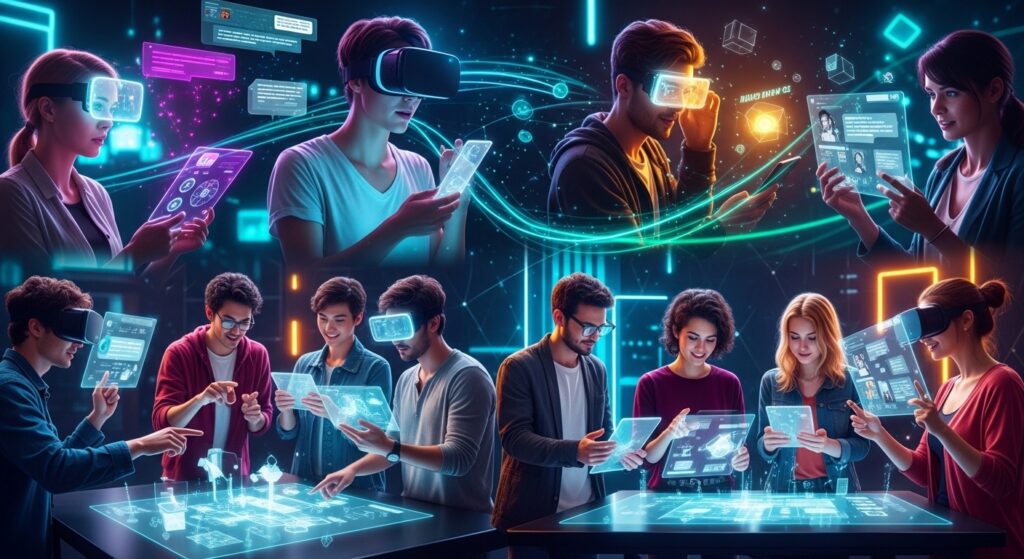
Technology has enabled the emergence of shared global experiences, particularly among younger generations. Social movements, fashion trends, and digital communities increasingly transcend geographic boundaries.
However, globalization does not eliminate cultural differences; instead, it creates a layered identity where individuals navigate both local heritage and global belonging.
Conclusion — A Cultural Transformation Without Borders
Globalization has fundamentally reshaped cultural interaction by accelerating exchange, expanding access to diverse traditions, and fostering shared global experiences. Media, migration, food, language, and digital platforms continue to redefine how cultures influence one another and evolve over time.
While concerns about cultural homogenization persist, globalization has also enabled cultural revival, cross-cultural appreciation, and the emergence of hybrid identities. Rather than replacing local traditions, globalization often reshapes them within a broader global context.
Understanding how globalization changed culture worldwide highlights both the opportunities and challenges of living in an interconnected world — where cultural diversity remains a defining strength even as global influences continue to grow.
- For You