Intelligence Becomes the Core of Global Business.
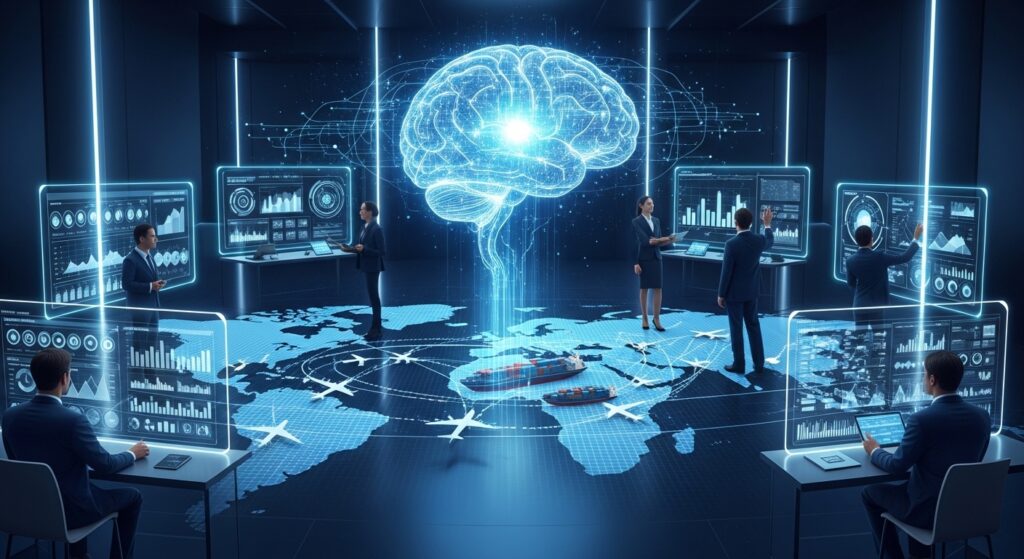
Artificial intelligence is no longer an emerging trend; it is becoming the operating system of modern international business. The conversation is shifting from automation of tasks to augmentation of intelligence. The impact of how AI is reshaping international business can be seen in decision speed, operational efficiency, customer understanding, and risk management across global markets.
Businesses are no longer competing solely on resources or market access — they are competing on intelligence. AI enables companies to interpret global data faster, predict disruptions earlier, and respond to opportunities with greater precision.
This marks a transition from reactive globalization to predictive globalization.
AI-Driven Market Intelligence and Expansion.
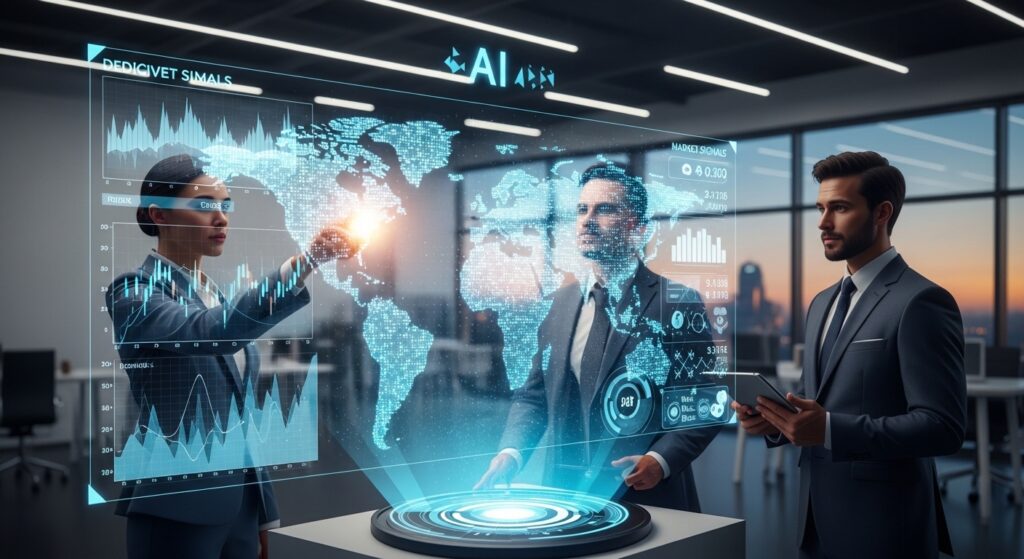
Entering new international markets traditionally required years of research, local partnerships, and high uncertainty. AI dramatically reduces this complexity by analyzing consumer behavior, economic indicators, cultural trends, and competitor strategies in real time.
Companies leveraging AI tools can evaluate market readiness, demand potential, and pricing strategies before physically entering a region. Platforms powered by organizations such as Google, Microsoft, and Salesforce provide predictive analytics that guide international expansion decisions.
AI is transforming expansion from a high-risk gamble into a data-guided strategy.

Supply Chain Optimization and Risk Prediction.
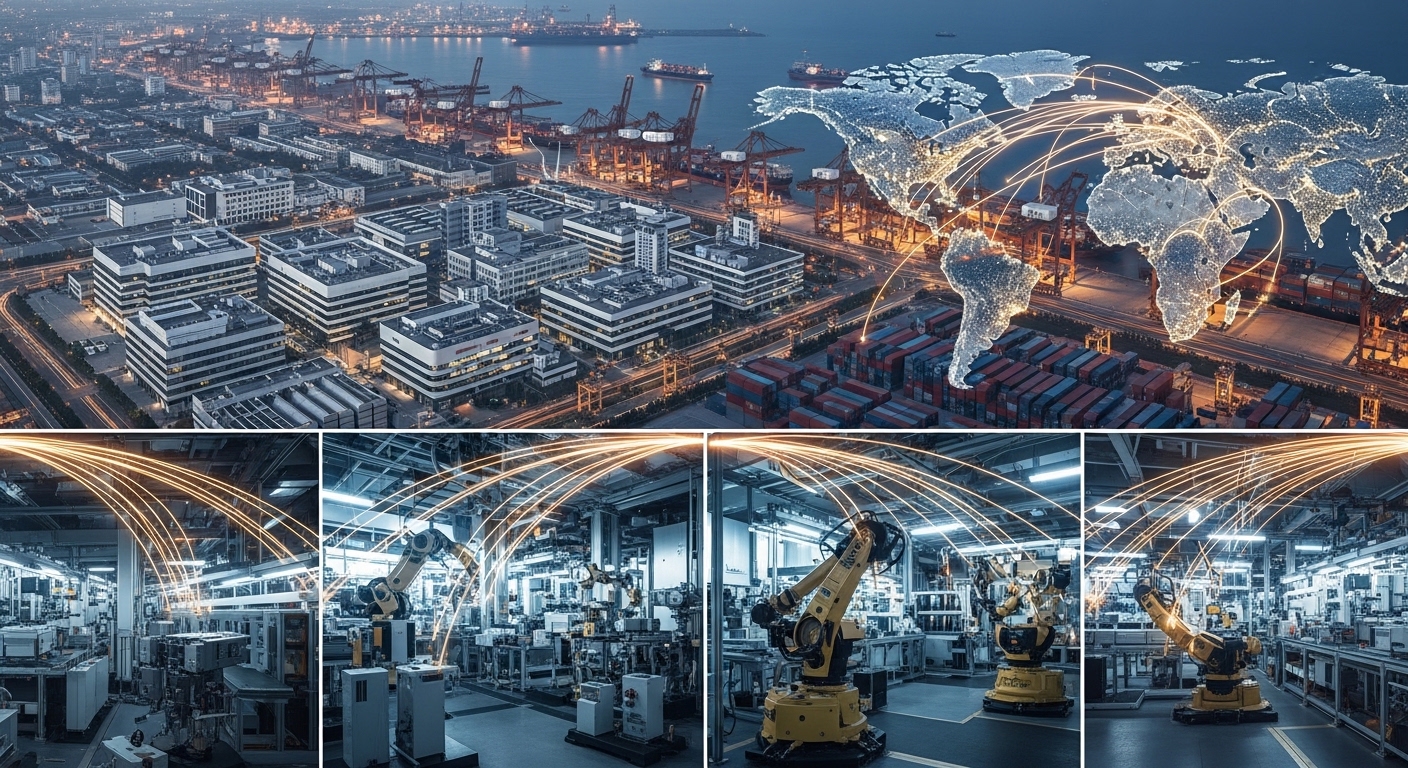
Global supply chains are vulnerable to geopolitical events, weather disruptions, and demand volatility. AI introduces adaptive supply chains capable of predicting delays, optimizing routes, and automatically adjusting procurement strategies.
Companies like Amazon use AI to anticipate inventory needs and streamline cross-border logistics, reducing costs while improving delivery speed.
The future supply chain will not only respond to disruptions — it will anticipate them.
Hyper-Personalization Across Cultures.
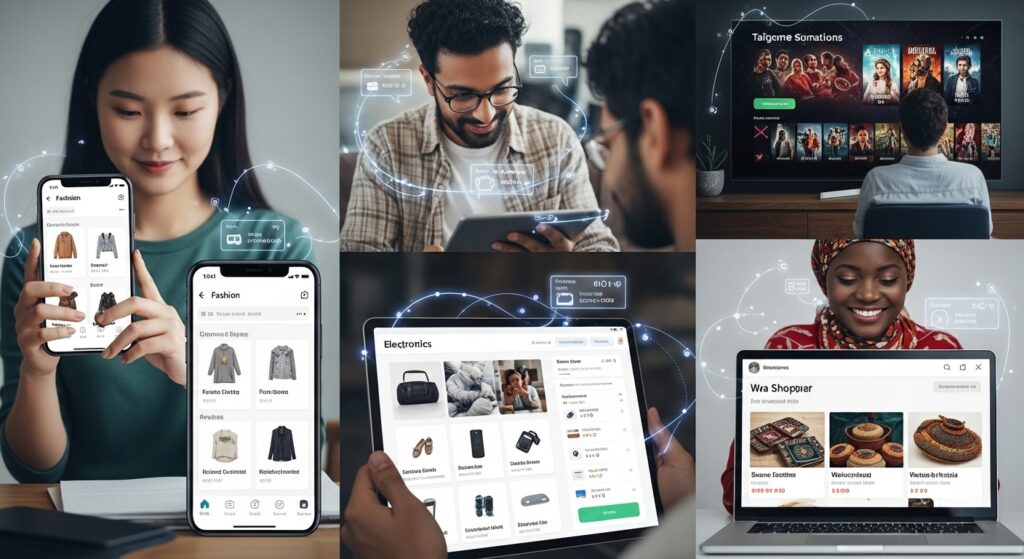
International markets require cultural sensitivity and localized customer experiences. AI enables businesses to personalize products, pricing, marketing messages, and recommendations across diverse audiences.
Machine learning models analyze language patterns, buying behaviors, and regional preferences to deliver culturally aligned experiences. This strengthens brand trust and increases global customer retention.

Automation of Global Operations.
AI is reducing the operational burden of managing international teams, customer support, compliance, and documentation. Intelligent automation allows businesses to operate across time zones with minimal friction.
Chatbots, AI translation tools, and automated compliance monitoring systems are enabling continuous global business operations without proportional increases in workforce size.

Financial Intelligence and Fraud Prevention.
Cross-border transactions expose businesses to fraud, currency volatility, and regulatory complexity. AI enhances financial monitoring by detecting suspicious patterns, forecasting currency movements, and optimizing pricing strategies.
Fintech leaders such as Stripe and PayPal use AI-driven risk detection systems to secure international transactions.
AI is transforming financial management from reactive auditing to proactive protection.
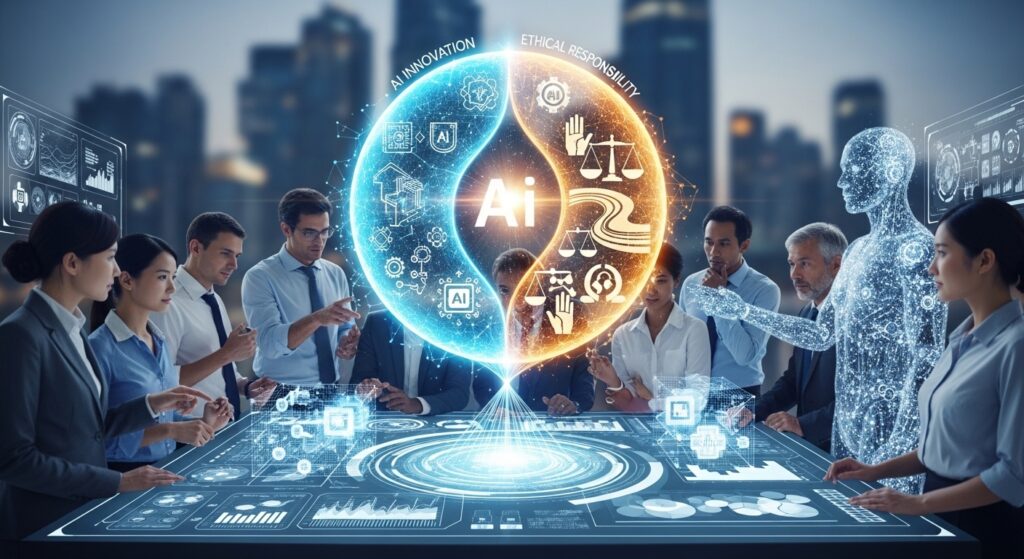
Challenges and Ethical Considerations.
While AI unlocks powerful advantages, it also introduces concerns related to:
-
- algorithmic bias
-
- workforce displacement
-
- data privacy across jurisdictions
-
- over-reliance on automated decisions
-
- unequal technological access
International regulations will play a critical role in shaping responsible AI adoption in global commerce.

The Emergence of AI-Native Global Companies.
A new generation of businesses is being built with AI at their core rather than as an add-on. These AI-native organizations operate with lean teams but possess global reach due to intelligent automation and data-driven strategy.
This shift may redefine competitive advantage, favoring adaptability and intelligence over size and capital.
Conclusion — The Age of Intelligent Globalization.
How AI is reshaping international business reflects a deeper transformation in how companies think, decide, and compete. The future will belong to organizations that combine human creativity with machine intelligence.
AI will not replace global business — it will redefine how it operates, how risks are managed, and how opportunities are discovered. Businesses that embrace this evolution early will shape the next era of international commerce.
- For You