Climate Change Is Now an Economic Reality.
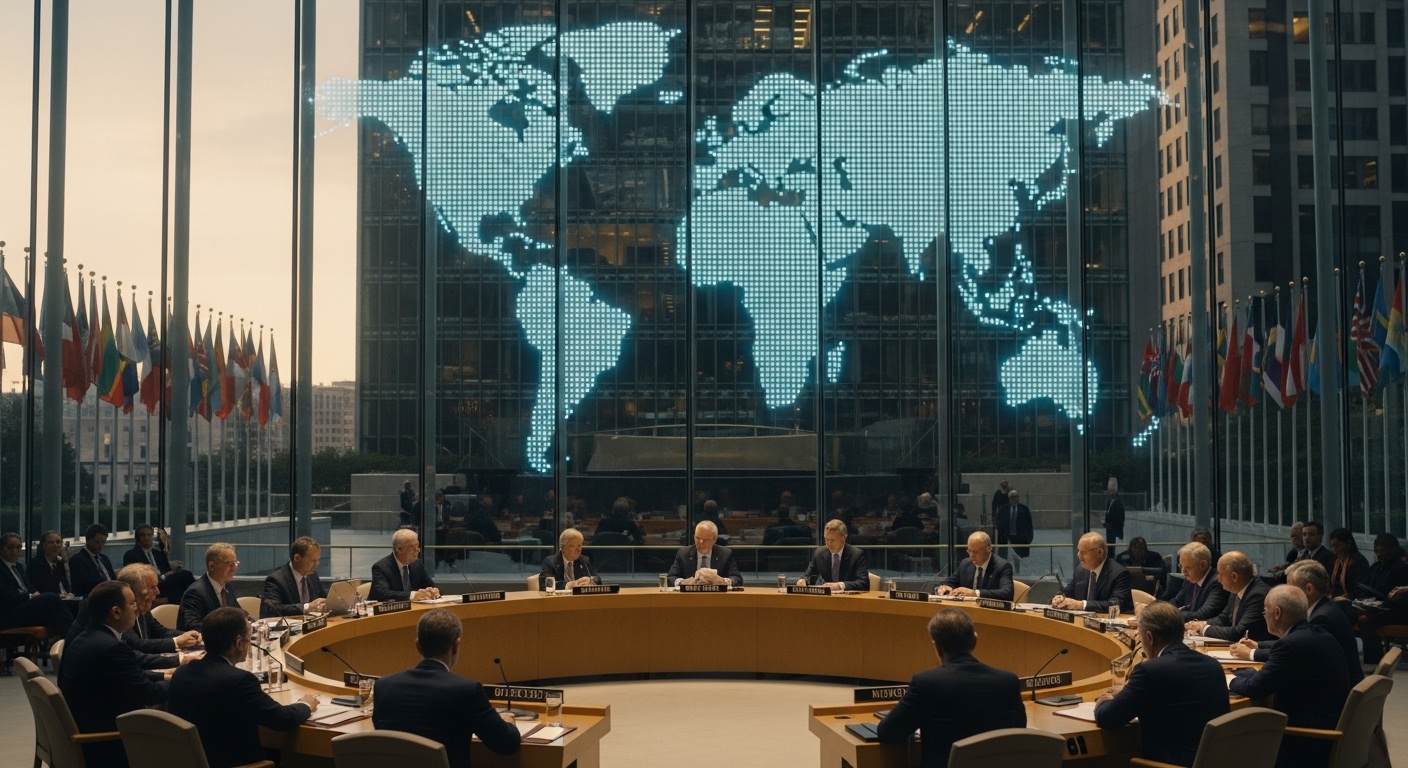
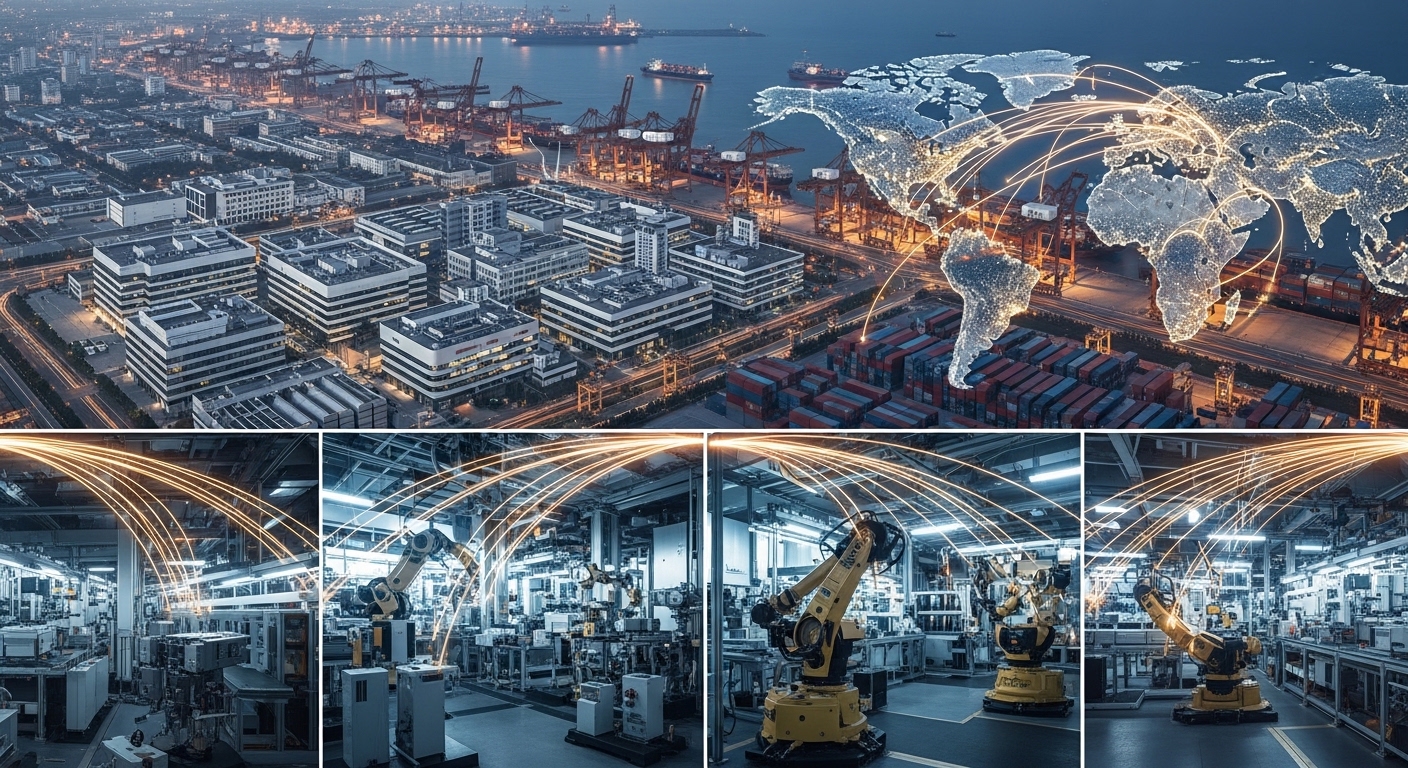
Climate change is no longer viewed solely as an environmental issue; it has become a defining economic challenge of the 21st century. The climate change impact on global economies is evident in disrupted supply chains, rising infrastructure costs, changing investment patterns, and shifting consumer behavior.
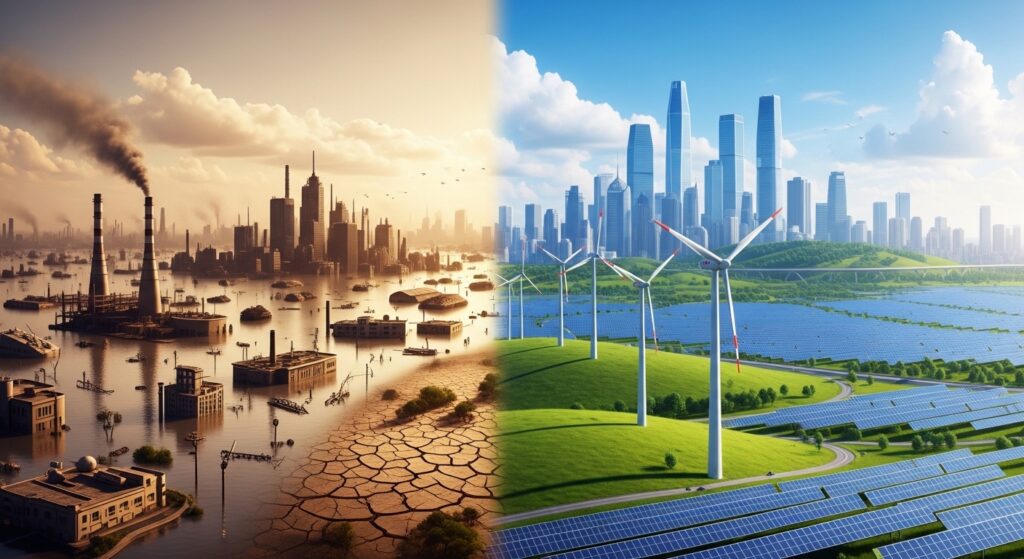
Extreme weather events, resource scarcity, and environmental regulations are reshaping how nations produce, trade, and grow. At the same time, the transition toward sustainable energy and green innovation is creating entirely new economic opportunities.
The global economy is entering an era where environmental resilience and financial resilience are inseparable.
Supply Chain Disruptions and Production Instability.
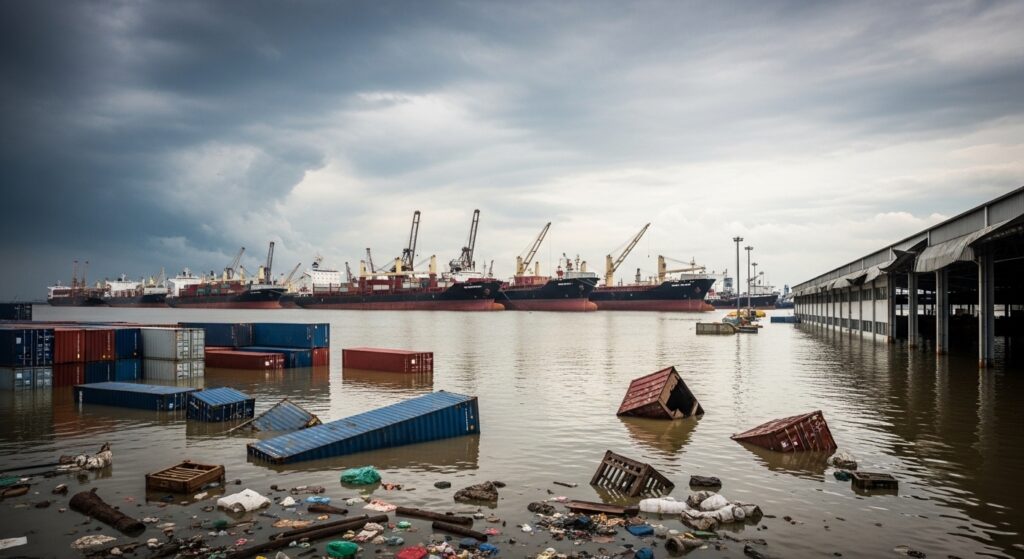
Climate-related disasters such as floods, droughts, and hurricanes are interrupting production cycles and transportation networks. Manufacturing hubs, agricultural regions, and shipping routes are increasingly vulnerable to climate volatility.
International organizations like the World Bank warn that climate disruptions could significantly reduce productivity and increase operational costs across industries.
Businesses must now incorporate climate resilience into logistics planning and risk management strategies.
Agriculture, Food Security, and Commodity Prices.
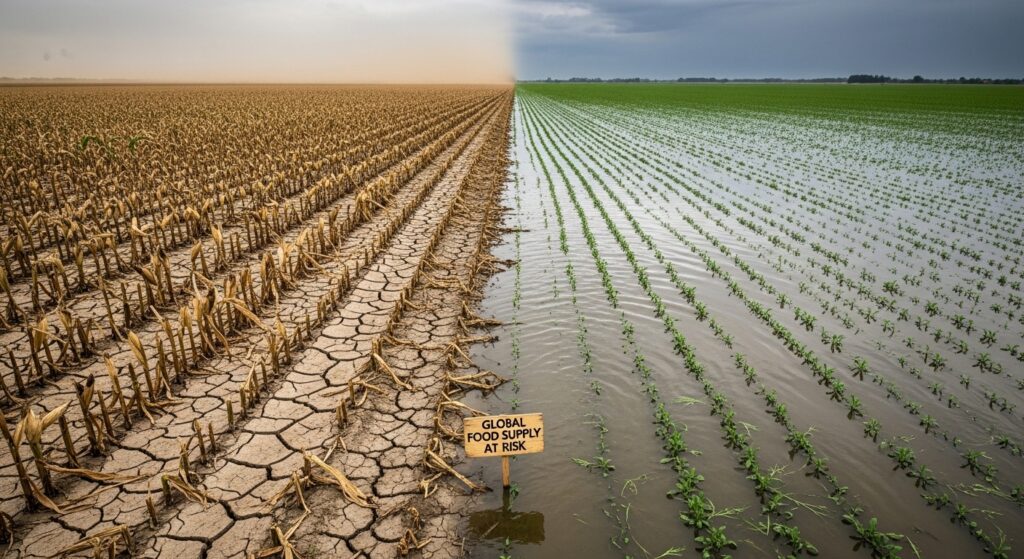
Agriculture is among the sectors most sensitive to climate change. Variations in rainfall, temperature extremes, and soil degradation directly influence crop yields and food prices.
Rising food costs can trigger inflationary pressures and social instability, particularly in developing economies where agriculture contributes significantly to GDP.
Energy Transition and the Rise of the Green Economy.
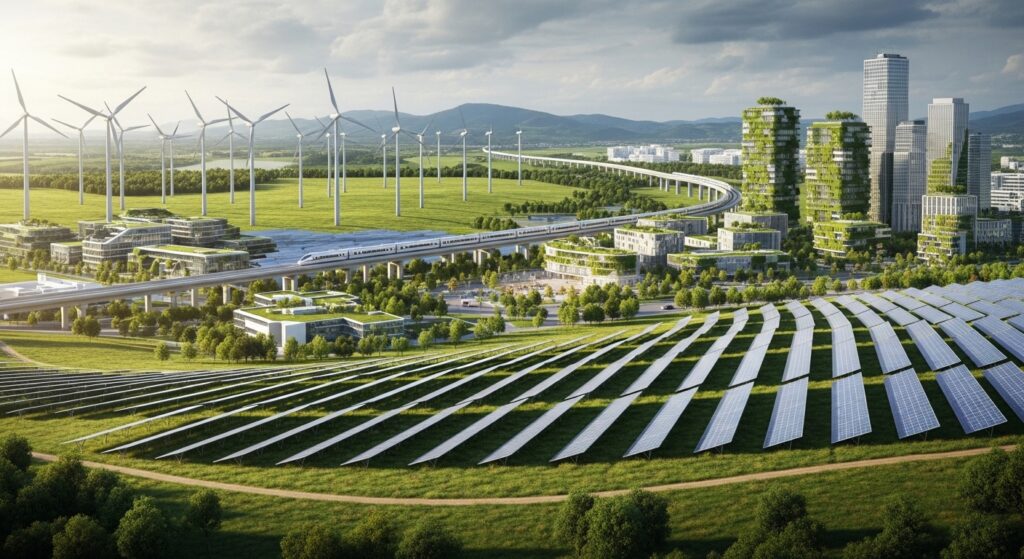
The shift away from fossil fuels toward renewable energy is reshaping investment flows and industrial priorities. Countries investing in sustainable infrastructure are positioning themselves for long-term economic resilience.
Agreements such as the Paris Agreement are accelerating global commitments to reduce emissions and expand clean energy adoption.
Renewable energy sectors are creating jobs, stimulating innovation, and attracting large-scale investment capital.
Rising Infrastructure and Adaptation Costs.
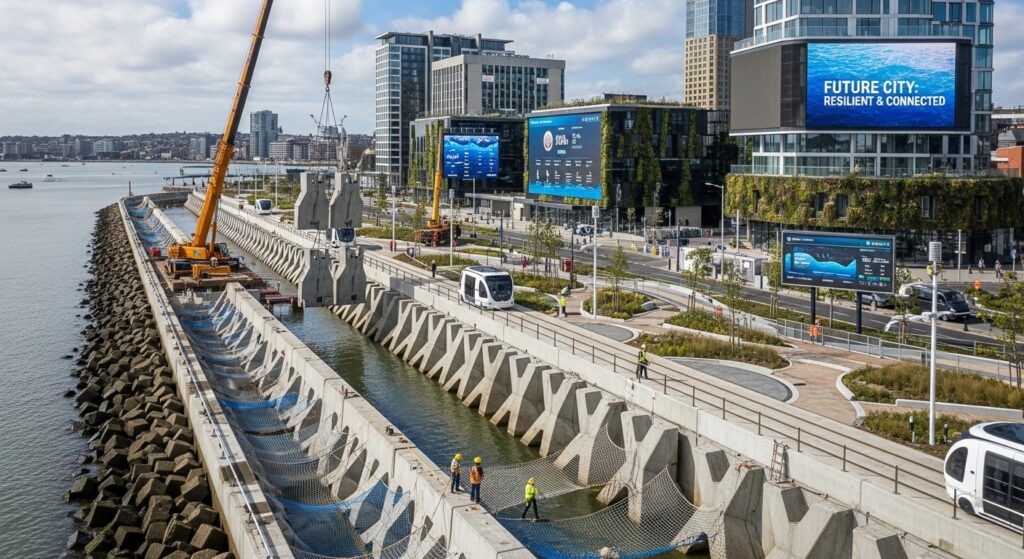
Governments and corporations are facing growing financial pressure to protect infrastructure from climate risks. Coastal defenses, climate-resilient buildings, and disaster recovery investments are becoming major economic priorities.
While these costs may strain budgets in the short term, proactive adaptation can prevent significantly larger losses in the future.
Financial Markets and Climate Risk Investment.
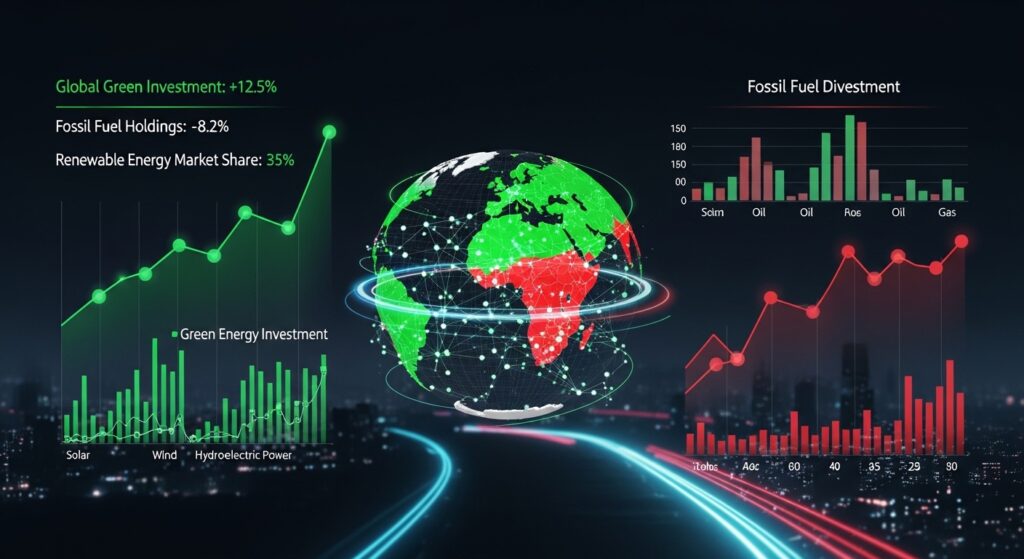
Investors are increasingly evaluating climate risk when allocating capital. Environmental, social, and governance (ESG) criteria are shaping corporate valuations and funding accessibility.
Institutions such as the International Monetary Fund emphasize that unmanaged climate risk could threaten financial stability and long-term economic growth.
Climate-aware investing is rapidly shifting from ethical preference to financial necessity.

Opportunities Emerging from Climate Innovation.
Despite the challenges, climate change is also catalyzing innovation in clean technology, sustainable agriculture, carbon capture, and circular economy models.
Companies that lead in sustainability are gaining competitive advantages, stronger brand trust, and long-term regulatory alignment.
The climate transition is not only a risk — it is also a catalyst for economic transformation.
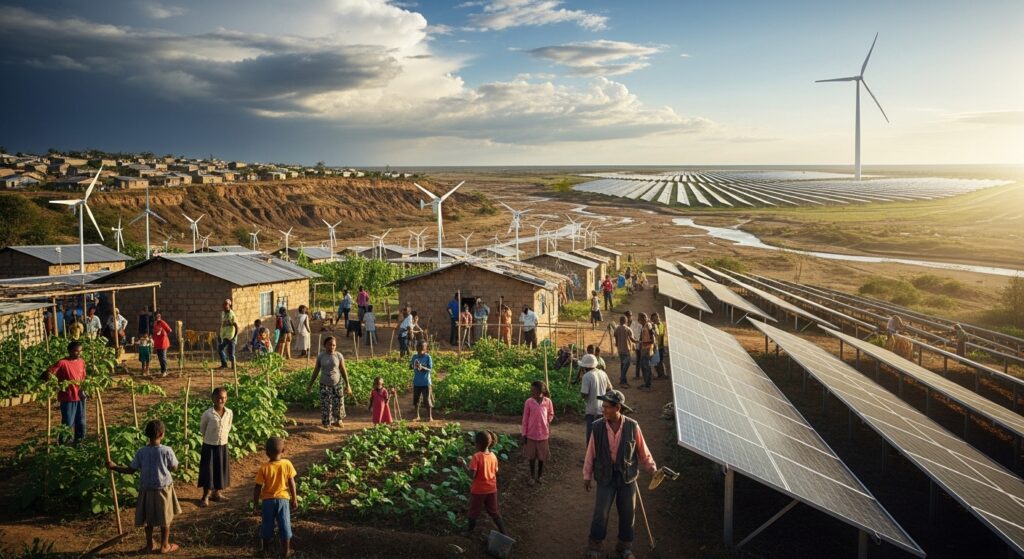
Developing Economies and Climate Inequality.
Developing nations often face the highest climate vulnerability despite contributing less to global emissions. Limited infrastructure and financial resources amplify economic exposure to climate events.
International cooperation and climate finance will be critical to ensuring equitable economic resilience worldwide.
Conclusion — Economic Growth Must Align with Environmental Stability
The climate change impact on global economies highlights a fundamental truth: sustainable growth is no longer optional. Economic stability now depends on environmental adaptation, responsible investment, and long-term resilience planning.
Nations and businesses that proactively embrace sustainability will not only mitigate risks but also unlock new pathways for innovation, employment, and global competitiveness.
Climate change is reshaping the rules of economic success — and the future belongs to those who adapt early.
- For You