
Money Is Entering Its Most Transformative Era.
For centuries, physical cash has symbolized financial independence, trust, and economic exchange. Yet the world is now witnessing a profound shift. The future of global currency is increasingly digital, mobile, and borderless. The question is no longer whether digital payments will dominate, but whether physical cash will maintain relevance in a rapidly evolving financial ecosystem.
Technology, changing consumer behavior, and government-backed digital currency initiatives are collectively redefining what money represents. Currency is gradually transitioning from a tangible object to an intelligent financial experience.

The Rise of the Cashless Economy.
Digital payment adoption has accelerated due to convenience, speed, and security. Mobile wallets, online banking, and contactless payments are reducing dependence on physical currency across both developed and emerging markets.
Platforms such as Apple Pay, Google Pay, and PayPal have normalized instant digital transactions, making cash usage less essential for everyday purchases.
The shift is particularly visible among younger generations who prioritize convenience over physical ownership of money.
Central Bank Digital Currencies (CBDCs) and Government Adoption.
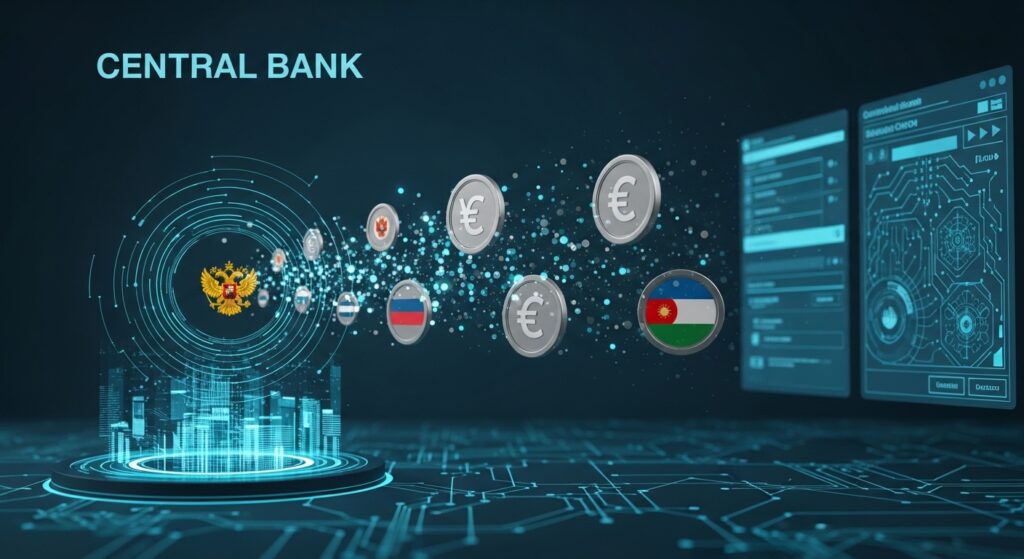
Governments are exploring central bank digital currencies as a way to modernize monetary systems while maintaining regulatory control. CBDCs aim to combine the stability of traditional currency with the efficiency of digital payments.
Institutions such as the International Monetary Fund and Bank for International Settlements are actively researching digital currency frameworks and their global implications.
CBDCs could enhance financial inclusion, reduce transaction costs, and improve transparency in economic activity.

Cryptocurrency and the Decentralized Money Movement.
The emergence of cryptocurrencies has challenged traditional definitions of money. Digital assets enable peer-to-peer transactions without centralized intermediaries, offering a new perspective on global currency systems.
While volatility and regulatory uncertainty remain concerns, cryptocurrencies have accelerated innovation in payment infrastructure and digital asset ownership.

Financial Inclusion and the Mobile Money Revolution.
In many developing regions, digital payments are not replacing cash — they are replacing financial exclusion. Mobile money services allow individuals without traditional banking access to participate in the global economy.
Digital wallets enable remittances, micro-payments, and cross-border financial participation at lower costs than traditional banking channels.
Why Cash May Never Fully Disappear.
Despite rapid digitalization, physical cash retains unique advantages:
- privacy in transactions
- accessibility without internet
- reliability during technological disruptions
- cultural and psychological trust
Many societies still rely on cash as a safety net during economic uncertainty or infrastructure failures. Instead of disappearing, cash may transition into a complementary rather than dominant payment method.

Security, Privacy, and Control Concerns.
The shift toward digital currency introduces questions about surveillance, cybersecurity, and financial autonomy. Digital payment ecosystems create data trails that may raise privacy concerns among individuals and institutions.
Balancing innovation with financial freedom will become one of the defining challenges of the future currency landscape.

The Evolution Toward Programmable Money.
One of the most transformative aspects of digital currency is programmability. Future money may carry built-in rules, enabling automated taxation, conditional payments, and smart financial contracts.
Programmable money could redefine how governments distribute aid, how businesses structure payments, and how individuals manage financial planning.
Conclusion — Money Is Becoming an Experience, Not an Object
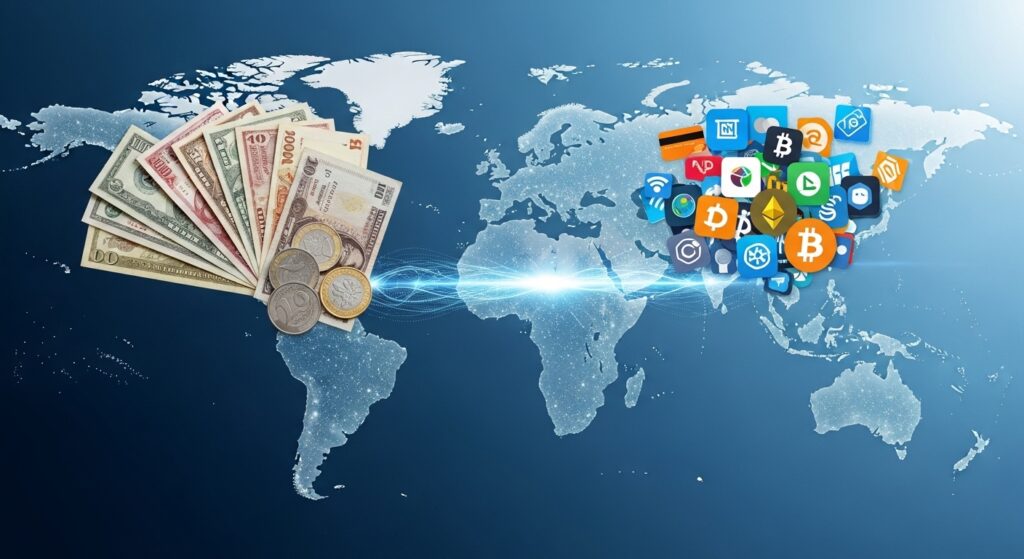
The future of global currency suggests that money will become increasingly digital, intelligent, and integrated into everyday life. However, the disappearance of cash is unlikely to be absolute. Instead, the world is moving toward a hybrid financial ecosystem where digital and physical currencies coexist.
The real transformation is not the elimination of cash but the redefinition of trust, accessibility, and financial interaction in a digital world.
- For You