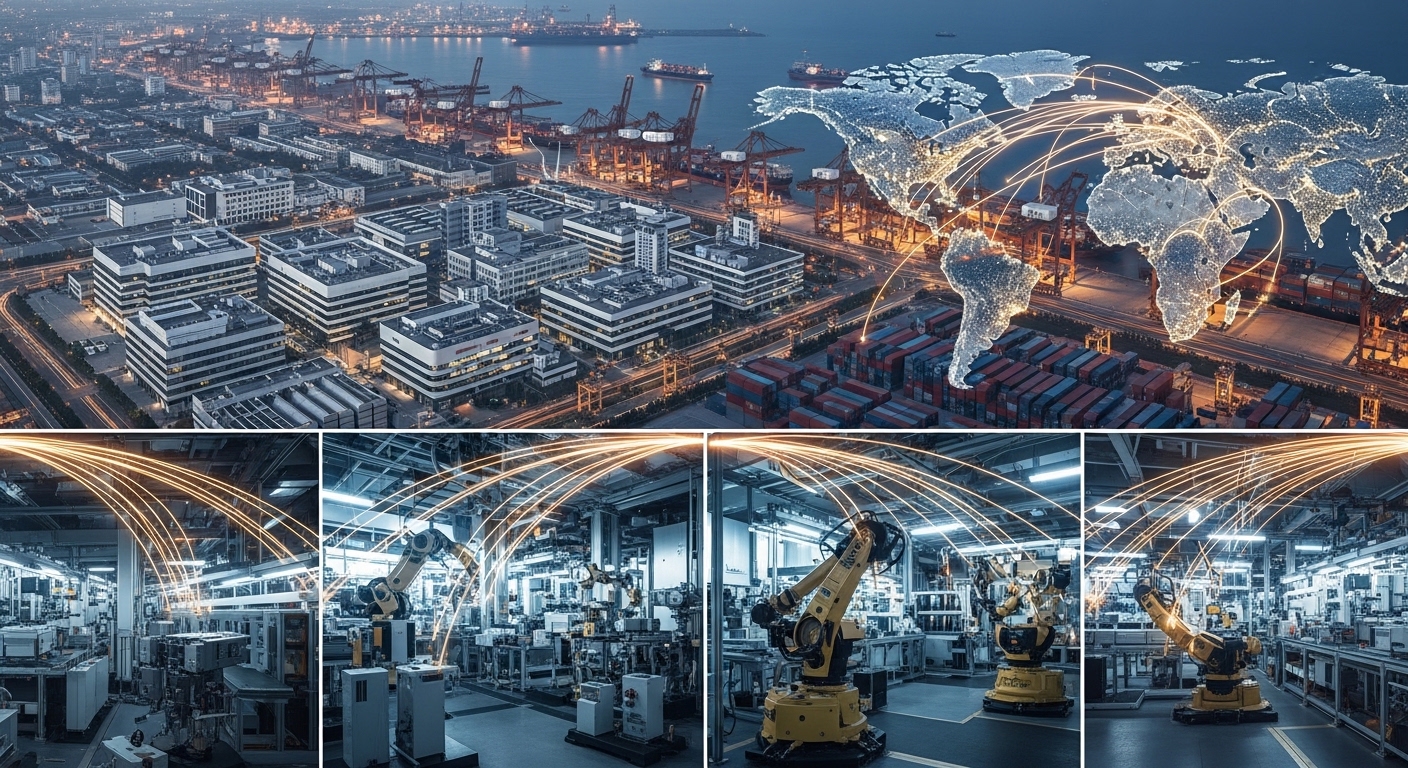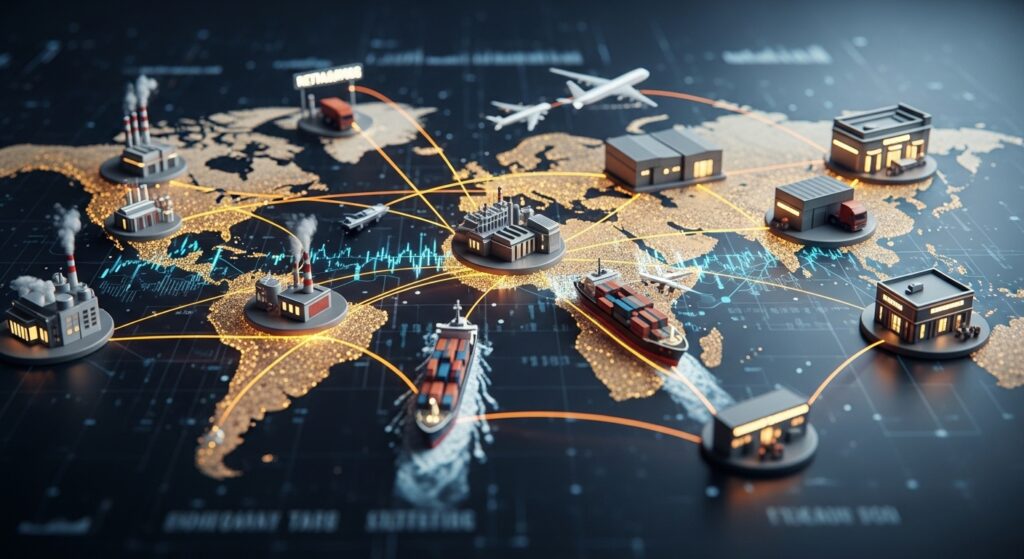
The Invisible Engine of the Global Economy.
Behind every product lies a vast and often invisible network of suppliers, manufacturers, logistics providers, and retailers working across borders. Understanding how global supply chains really work reveals the complexity behind everyday consumption.
A single product may involve raw materials from one continent, manufacturing in another, assembly elsewhere, and final delivery through multiple transportation layers. Supply chains are not simple linear paths but dynamic ecosystems shaped by cost efficiency, speed, risk management, and technological integration.
In today’s interconnected economy, supply chains represent the true infrastructure of globalization.
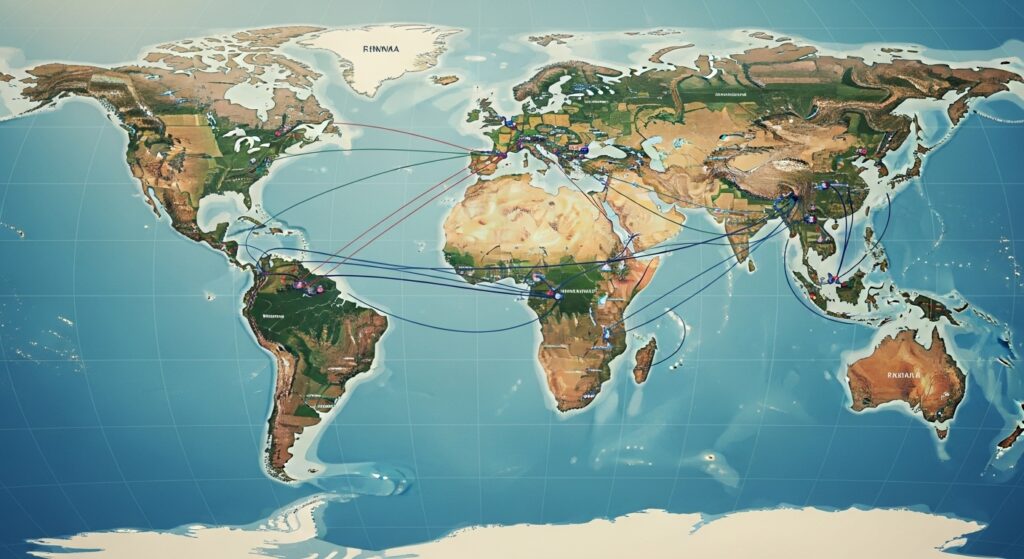
Stage One — Raw Material Sourcing.
Every supply chain begins with the extraction or production of raw materials. These materials are often sourced from regions with natural resource advantages or lower production costs.
Companies select suppliers based on price, quality, political stability, and transportation accessibility. This early stage is highly vulnerable to environmental disruptions, geopolitical tensions, and regulatory changes.
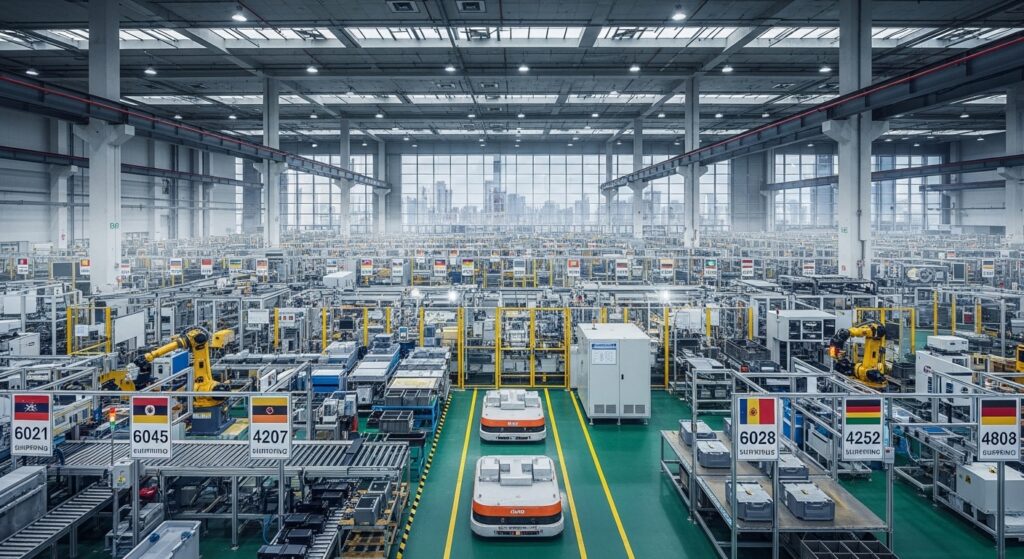
Stage Two — Manufacturing and Assembly Hubs.
After sourcing, materials move to manufacturing centers where they are processed into components or finished products. Countries specializing in industrial production often become central nodes in global supply networks.
Manufacturing hubs are chosen for labor efficiency, infrastructure quality, trade policies, and proximity to shipping routes.
Companies like Apple coordinate complex international manufacturing ecosystems involving multiple suppliers and assembly partners.
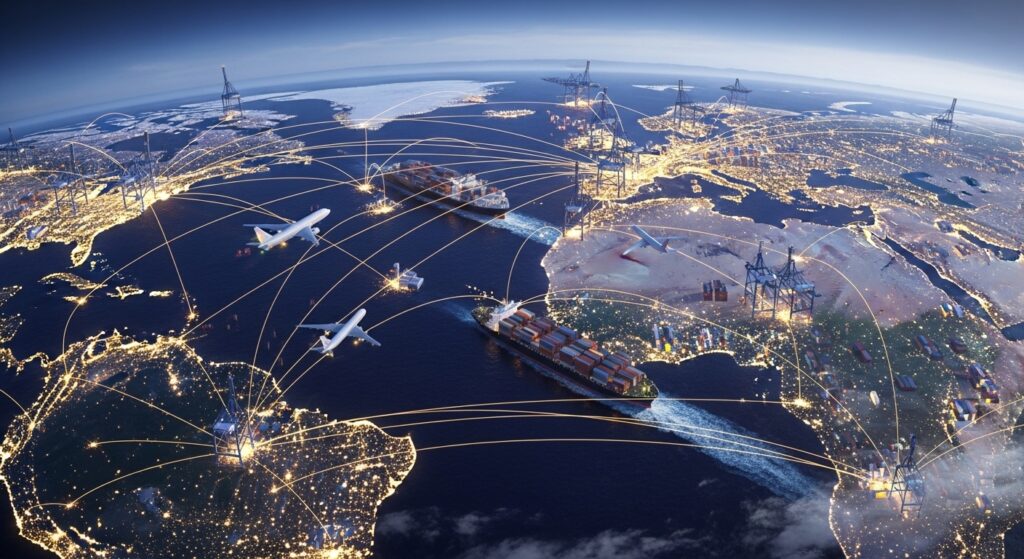
Stage Three — International Transportation and Logistics.
Transportation is the backbone of supply chains. Goods move through maritime shipping, air freight, rail, and trucking networks before reaching distribution centers.
Maritime logistics dominates global trade due to cost efficiency, with major shipping routes connecting industrial regions worldwide.
Organizations such as Maersk play a critical role in enabling large-scale cargo movement across continents.
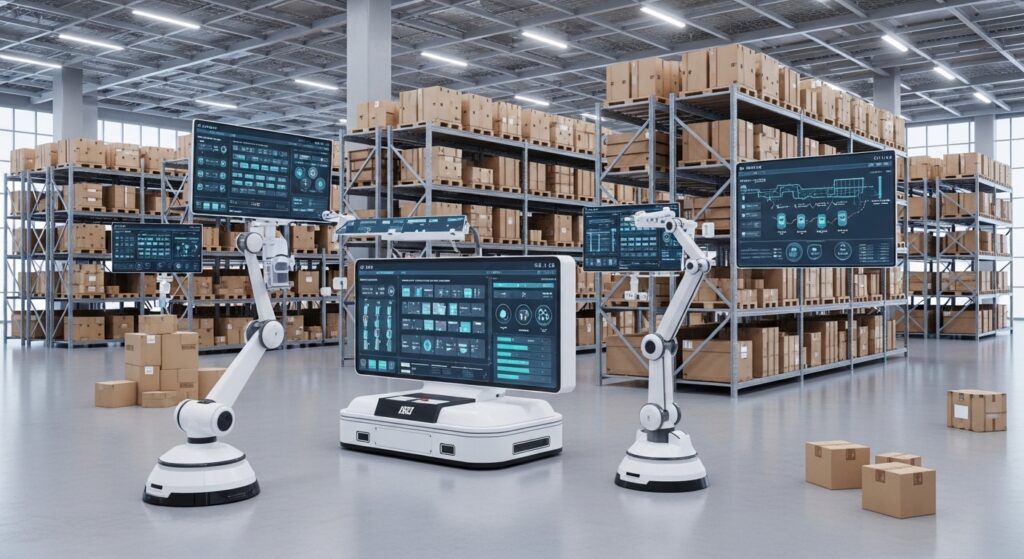
Stage Four — Warehousing and Distribution Networks.
Distribution centers act as strategic buffers between production and consumption. Warehousing allows businesses to manage inventory fluctuations, reduce delivery times, and respond to demand changes.
Modern warehouses increasingly rely on robotics, automation, and AI-driven inventory management to improve efficiency.
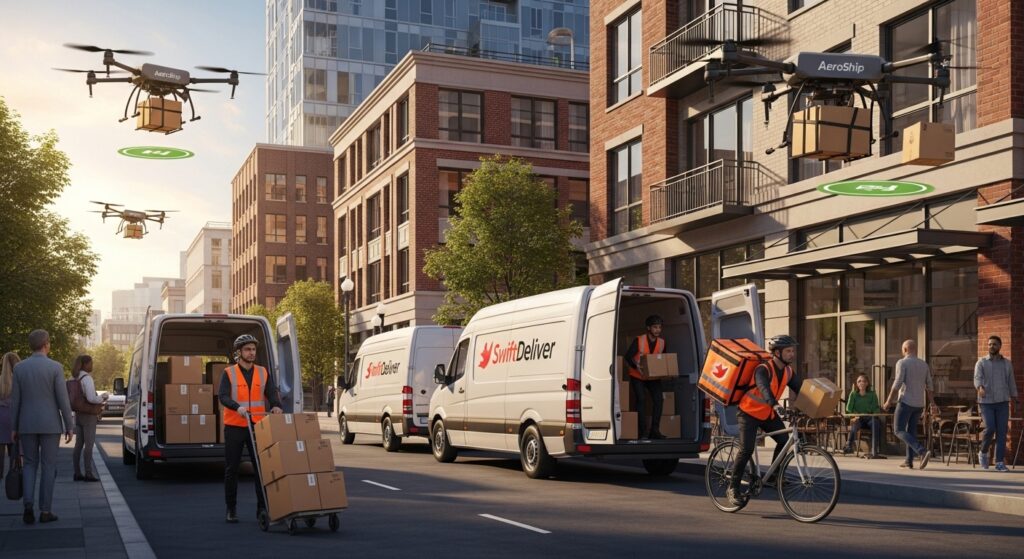
Stage Five — Retail, E-commerce, and Final Delivery.
The final stage brings products to consumers through retail stores, e-commerce platforms, or direct delivery services. The growth of online shopping has dramatically increased the importance of last-mile logistics.
Companies like Amazon have redefined expectations for delivery speed and supply chain responsiveness.
Last-mile delivery remains one of the most complex and expensive segments of the supply chain.
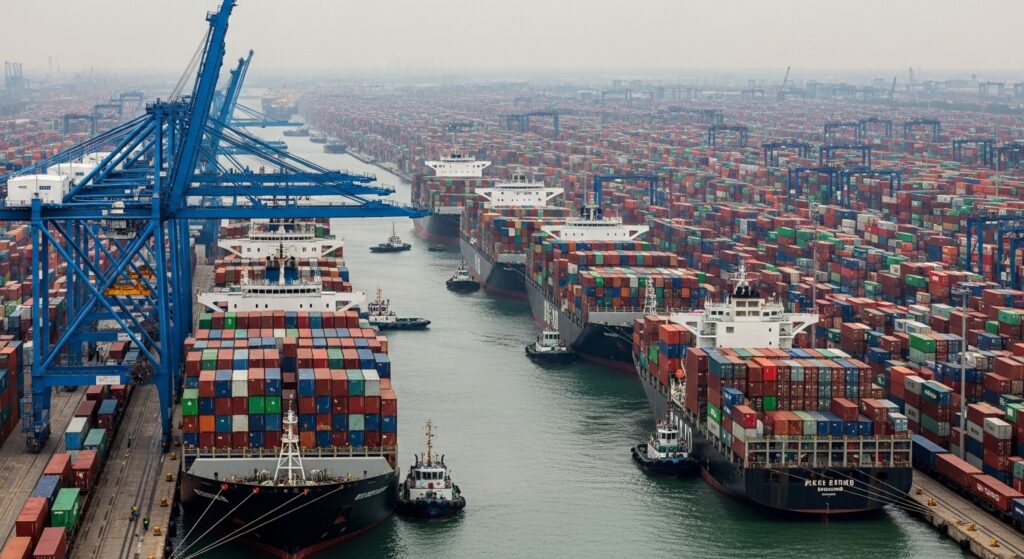
Why Supply Chains Are More Fragile Than They Appear
Despite their efficiency, global supply chains are highly sensitive to disruptions including:
- geopolitical conflicts
- pandemics
- port congestion
- climate events
- trade restrictions
Recent global events have highlighted how localized disruptions can ripple across entire industries and economies.
Technology Is Reshaping Supply Chain Visibility
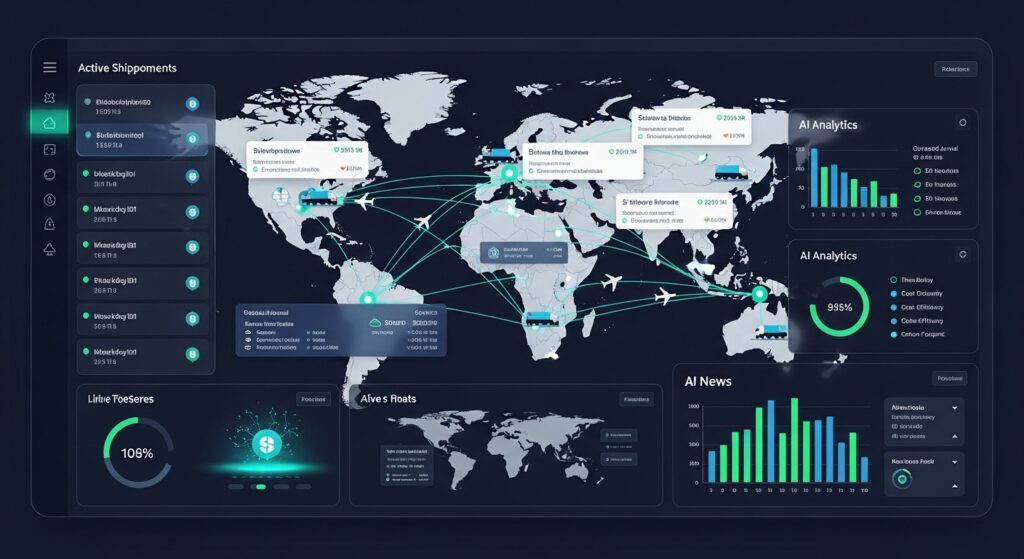
Digitalization is transforming supply chains from opaque systems into transparent networks. AI, blockchain, IoT tracking, and predictive analytics are enabling real-time monitoring and proactive risk management.
This shift allows businesses to move from reactive logistics toward intelligent supply chain orchestration.
The Future — Resilience Over Efficiency
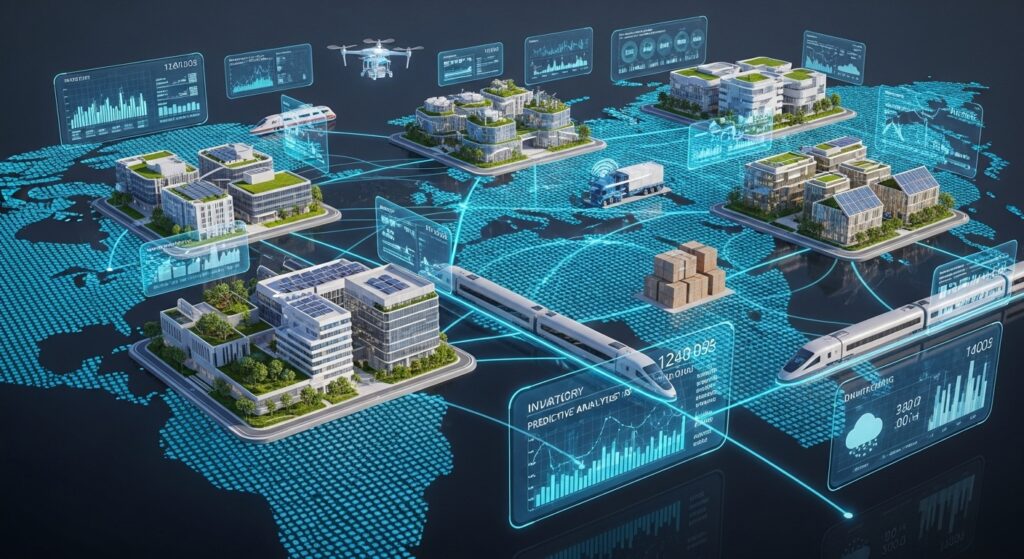
For decades, supply chains prioritized cost efficiency and speed. The future is shifting toward resilience, diversification, and regionalization.
Businesses are increasingly balancing globalization with localized production to reduce risk exposure and improve adaptability.
The next generation of supply chains will be defined not only by efficiency but by flexibility and transparency.
Conclusion — Supply Chains Define Modern Civilization
Understanding how global supply chains really work reveals that globalization is not an abstract concept but a tangible system shaping daily life. Every product reflects collaboration across borders, technologies, and industries.
As supply chains evolve through digitalization and risk awareness, they will continue to determine the speed, cost, and stability of global economic activity.
The real story of globalization is the story of supply chains.
- For You