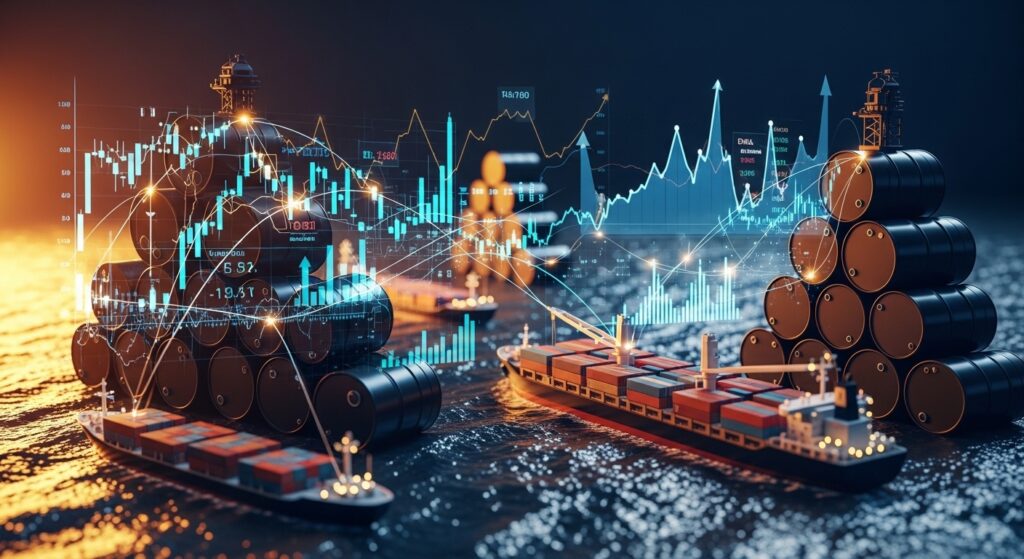
Introduction — Oil Remains the Lifeblood of Modern Economies
Despite rapid growth in renewable energy, oil continues to play a central role in transportation, manufacturing, trade, and industrial production. Understanding how oil prices affect the world economy reveals why fluctuations in energy markets often trigger inflation, influence currency movements, and shape geopolitical strategies.
Oil prices function as a global economic signal. Rising prices can slow growth by increasing production and transportation costs, while falling prices can stimulate consumption but strain energy-dependent economies.
The world economy remains deeply interconnected with the dynamics of oil supply and demand.
Oil Prices and Global Inflation
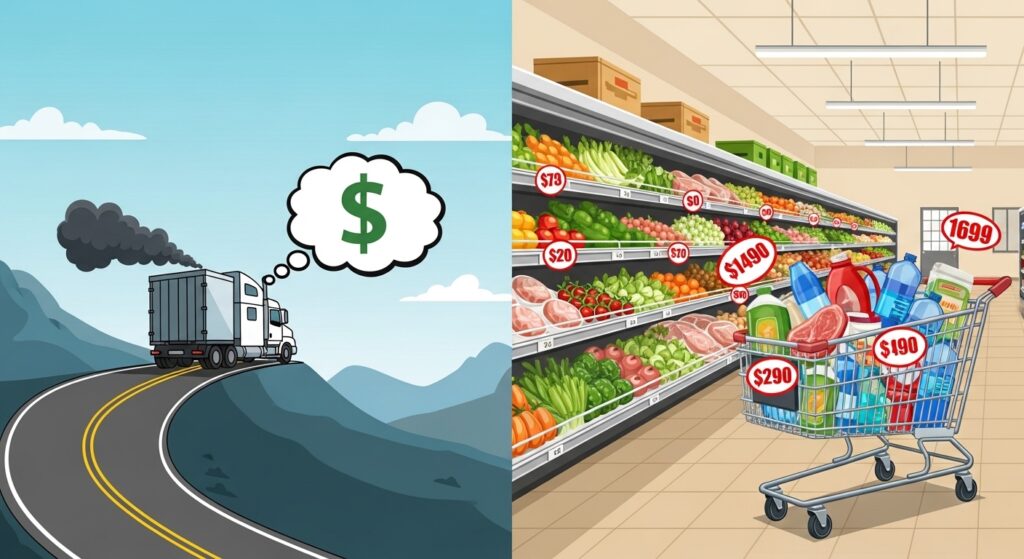
Energy costs directly influence the price of goods and services. When oil prices rise, transportation and production expenses increase, leading businesses to pass costs onto consumers.
This ripple effect contributes to inflation across sectors including food, manufacturing, and logistics. Conversely, declining oil prices can help ease inflationary pressure and support consumer spending.
Impact on Oil-Exporting vs Oil-Importing Countries
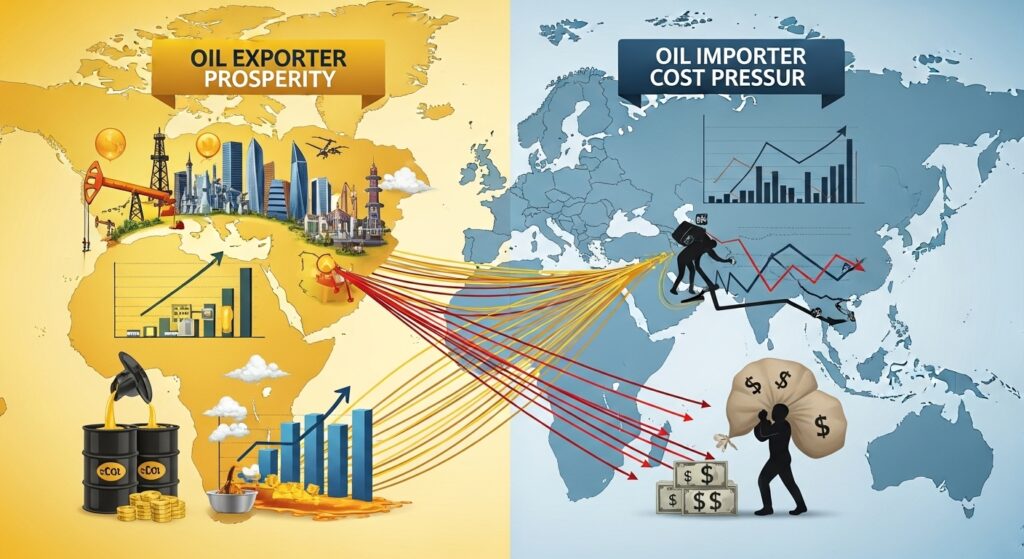
Oil price movements create contrasting effects across economies.
Oil-exporting nations benefit from higher prices through increased government revenues, stronger trade balances, and infrastructure investment. In contrast, oil-importing countries face higher energy bills, currency pressure, and trade deficits.
Organizations such as OPEC significantly influence global supply dynamics and price trends.
Transportation and Global Trade Costs
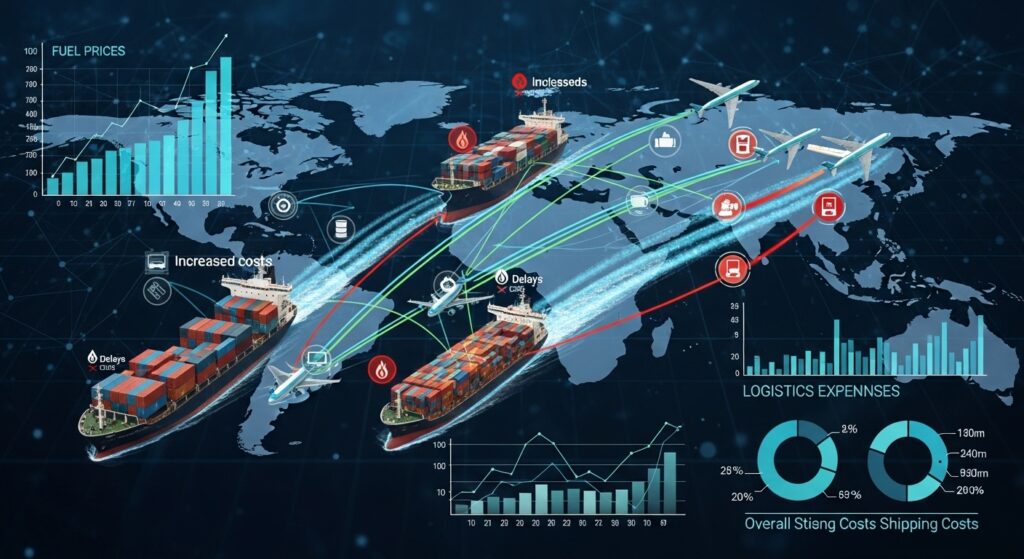
Shipping, aviation, and logistics depend heavily on fuel. Rising oil prices increase freight costs, affecting international trade competitiveness and supply chain efficiency.
Industries with energy-intensive operations often experience reduced profit margins during periods of elevated oil prices.
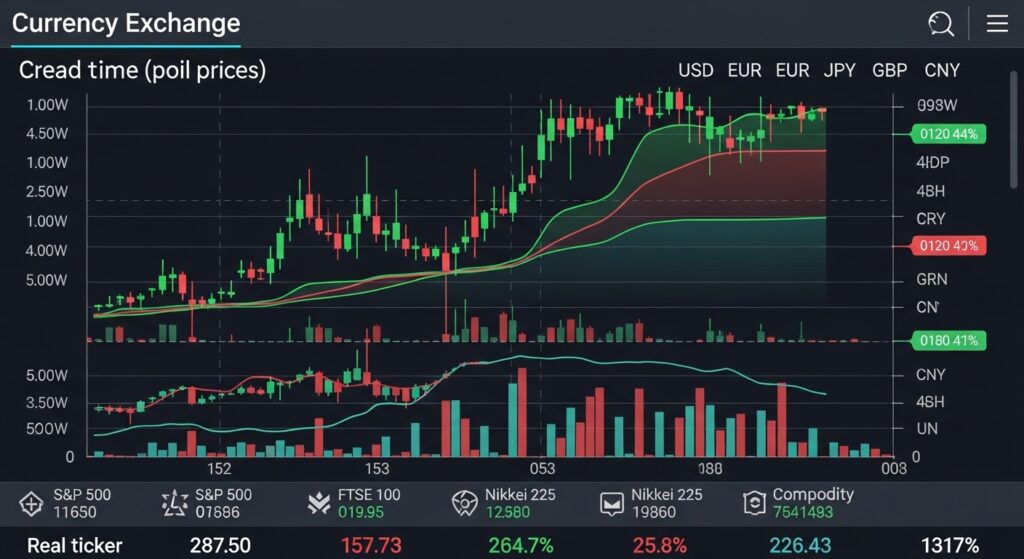
Oil Prices and Currency Movements
Oil prices influence currency valuations, particularly in energy-dependent economies. Exporters often experience currency appreciation during price surges, while importers may face depreciation and inflation.
The relationship between oil pricing and the United States dollar also plays a key role in shaping global financial flows.
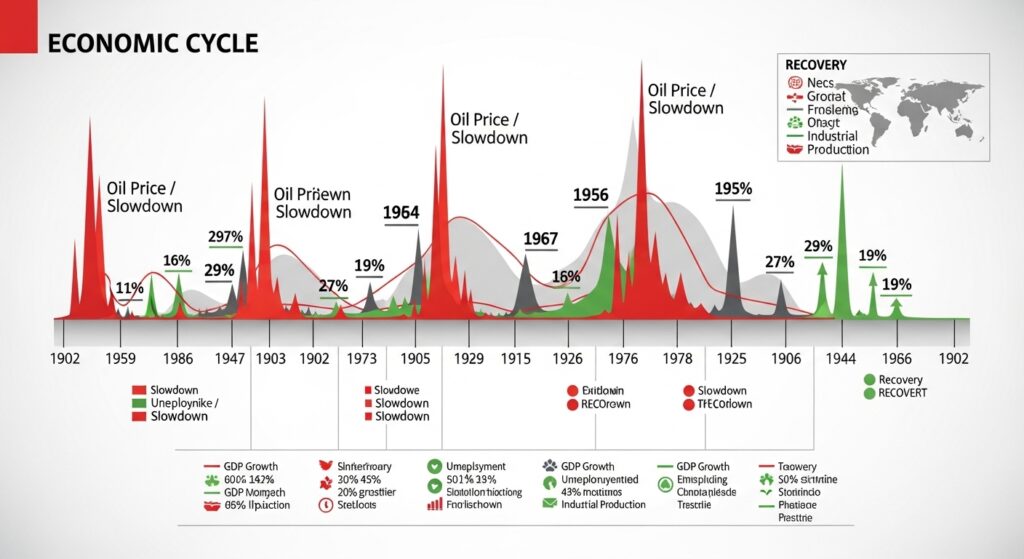
Economic Growth and Recession Signals
Sharp increases in oil prices can slow economic growth by reducing consumer spending and increasing production costs. Historically, oil shocks have contributed to recessions and market volatility.
Conversely, stable and moderate oil prices often support balanced economic expansion.
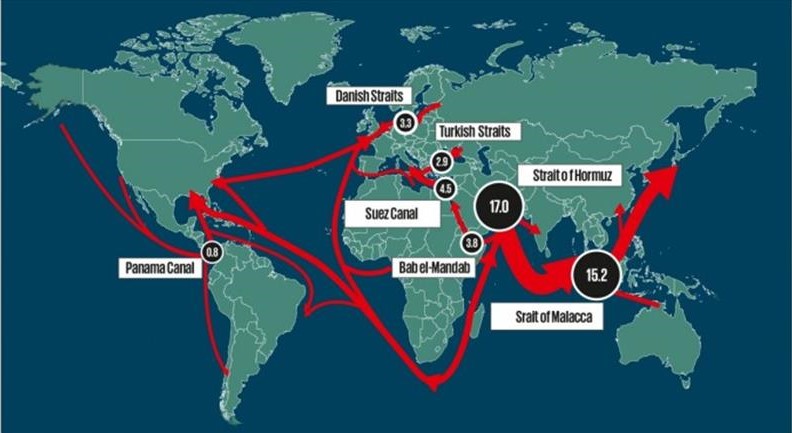
Geopolitics and Energy Market Stability
Oil markets are highly sensitive to geopolitical tensions, production decisions, and regional conflicts. Supply disruptions or production cuts can trigger price spikes that reverberate through financial markets and trade flows.
Energy security remains a strategic priority for many nations due to its economic implications.
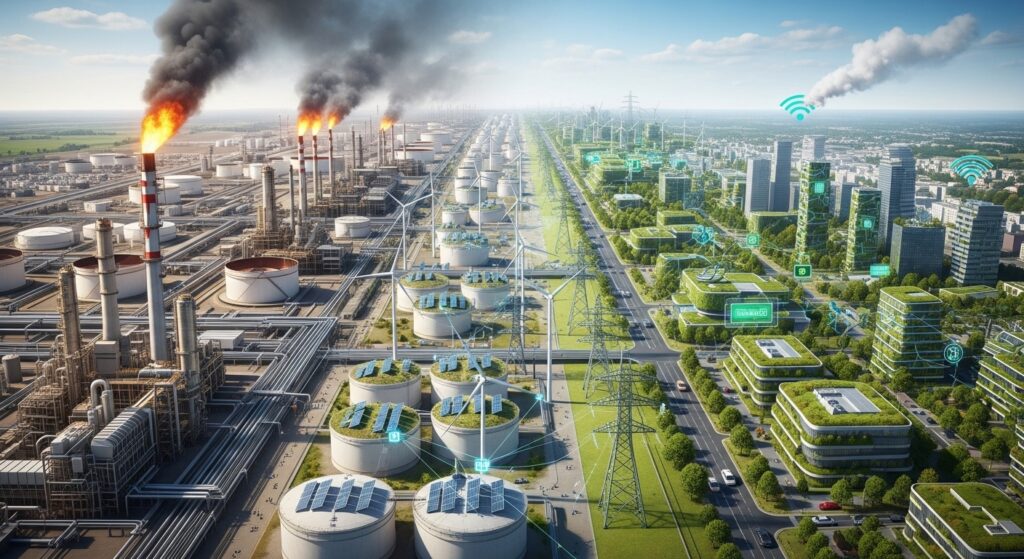
The Transition Toward Renewable Energy
Long-term volatility in oil prices is accelerating investment in renewable energy alternatives. Governments and corporations are seeking to reduce dependency on fossil fuels to improve economic stability and environmental sustainability.
The global energy transition may gradually reduce oil’s dominance, but its economic influence remains substantial in the near future.
Conclusion — Oil Prices Act as a Global Economic Thermometer
Understanding how oil prices affect the world economy highlights the deep interconnection between energy markets and financial stability. Oil price movements influence inflation, trade competitiveness, government revenues, and geopolitical strategies.
While the energy landscape is evolving, oil continues to serve as a critical driver of economic cycles and global market sentiment.
The future may diversify energy sources, but the economic impact of oil will remain significant for years to come.
- For You