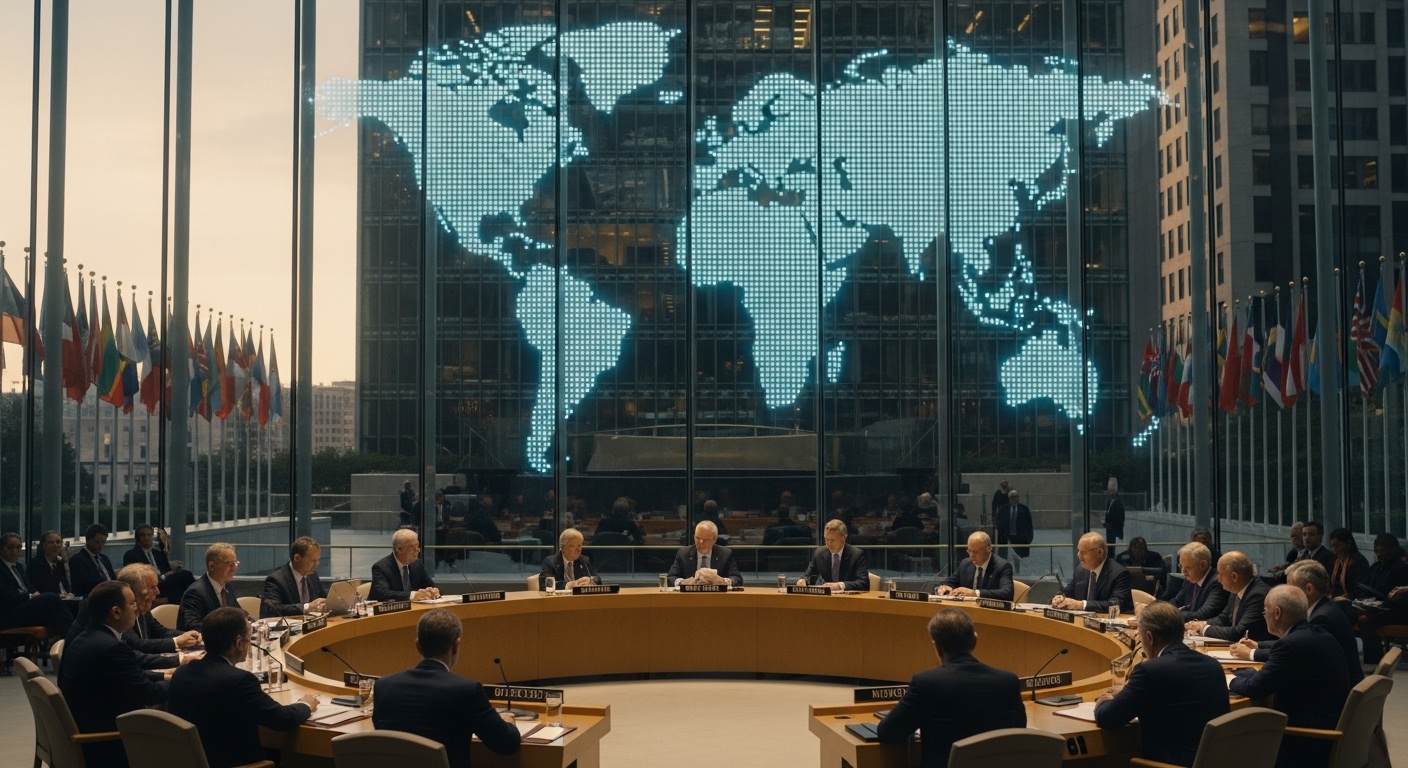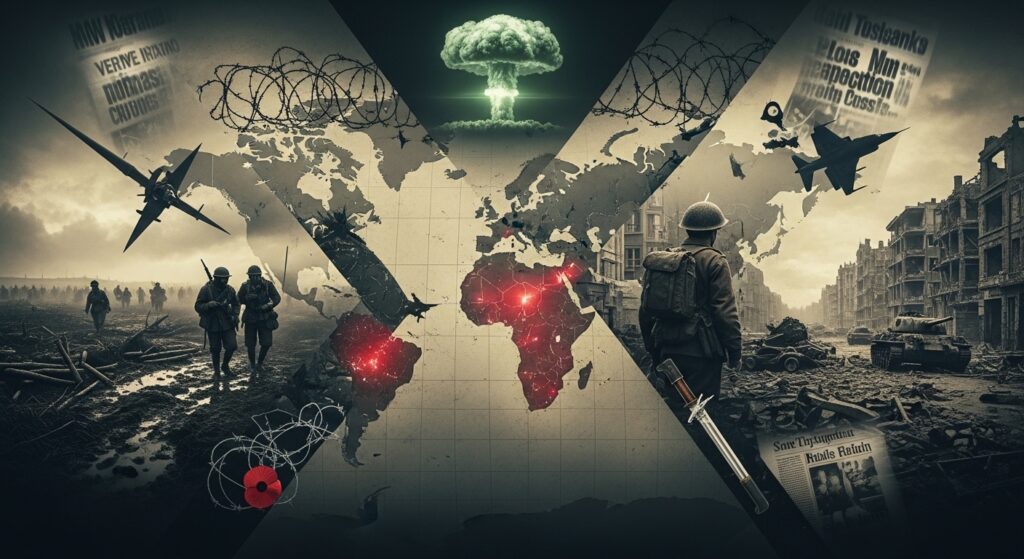
Introduction — Conflict as a Catalyst of Global Change
Throughout history, major conflicts have reshaped nations, redrawn borders, transformed economies, and redefined global power structures. The impact of these wars extends far beyond military outcomes — influencing technological innovation, political ideologies, international alliances, and economic systems.
Understanding the major global conflicts that changed the world offers insight into how modern geopolitics, diplomacy, and international institutions evolved from periods of crisis and confrontation.
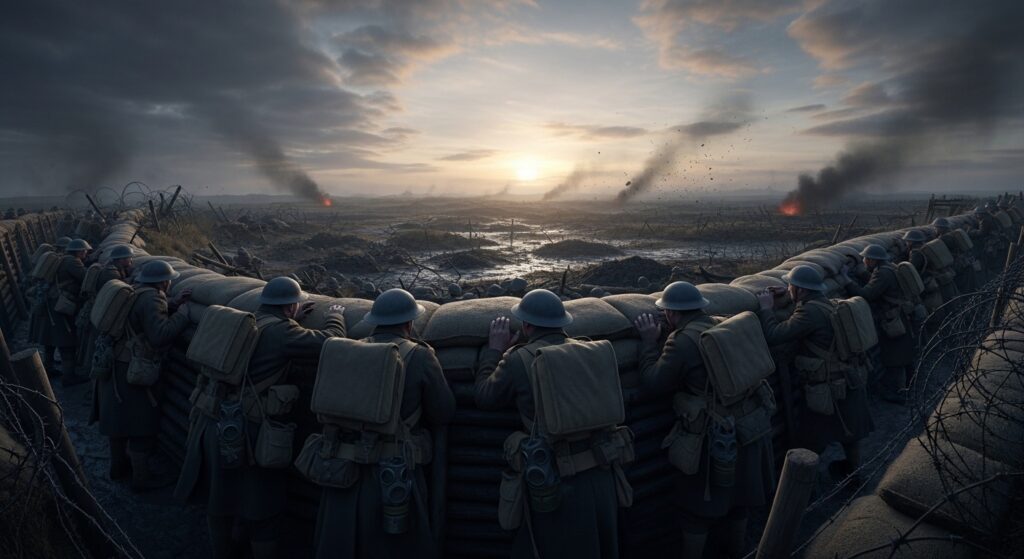
World War I — The Collapse of Empires
The World War I marked the beginning of modern large-scale warfare. Triggered by complex alliances and nationalist tensions, the war led to the collapse of empires including the Ottoman Empire and Austro-Hungarian Empire.
Beyond battlefield devastation, World War I reshaped political borders, contributed to economic instability, and created unresolved tensions that would later contribute to future conflicts.
World War II — Redefining Global Power
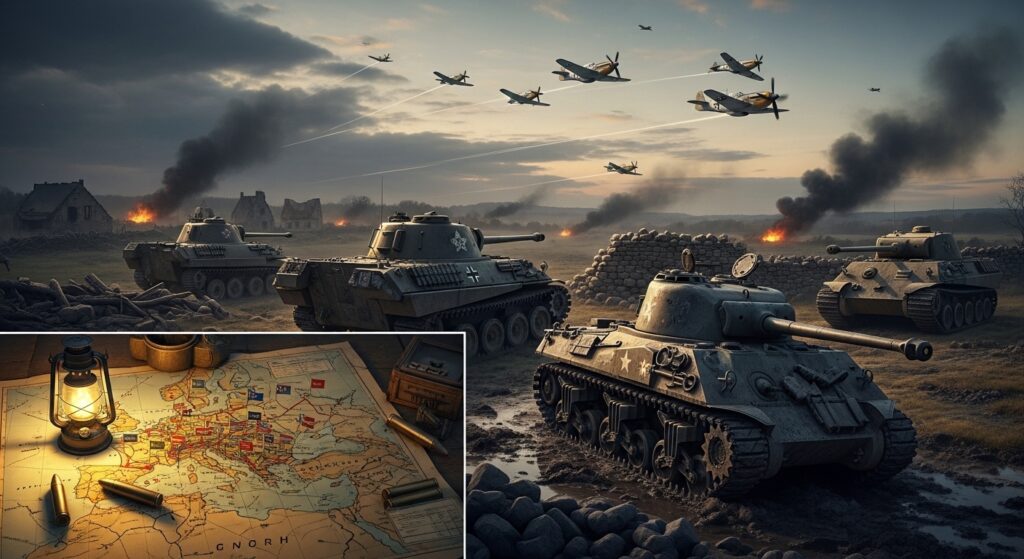
The World War II remains one of the most transformative conflicts in history. It resulted in massive geopolitical shifts, the emergence of new superpowers, and the formation of global institutions designed to prevent future wars.
The war accelerated technological advancement, reshaped Europe and Asia, and ultimately led to the creation of the United Nations as a framework for international cooperation.
The Cold War — Ideological and Nuclear Tension
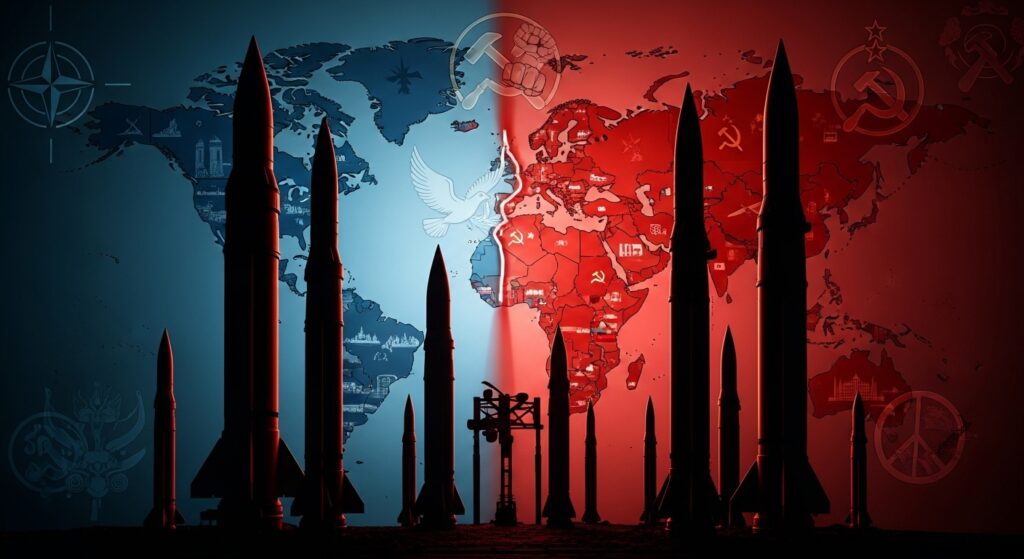
The Cold War introduced a different kind of global conflict — one defined less by direct warfare and more by ideological rivalry, nuclear deterrence, and proxy wars.
Competition between the United States and the Soviet Union influenced political alliances, military strategy, and technological competition, including the space race.
Despite avoiding direct superpower confrontation, the Cold War reshaped global diplomacy and security structures for decades.
Regional Conflicts With Global Consequences
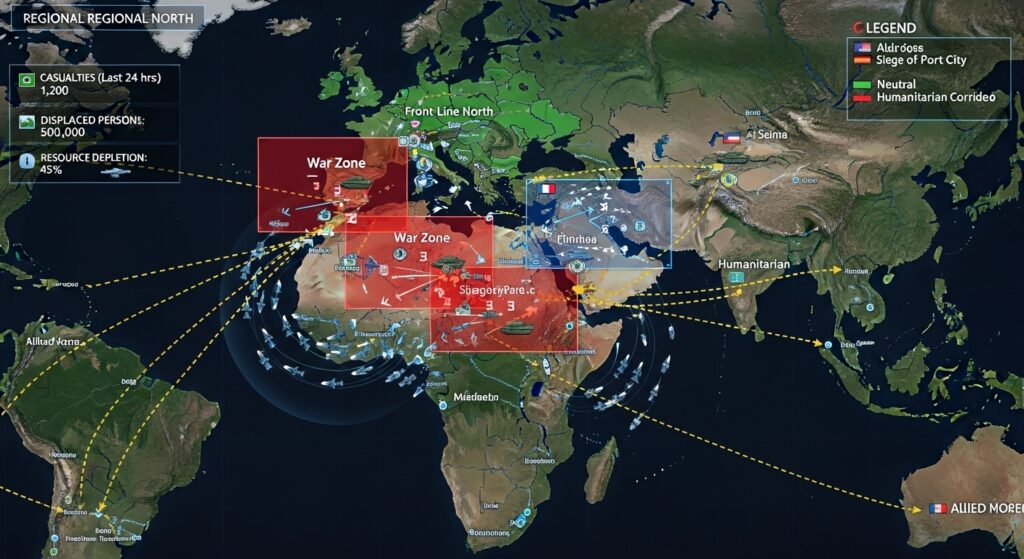
Several regional wars carried global implications by influencing international alliances and economic stability. Conflicts such as the Vietnam War, the Korean War, and the Gulf War affected global politics, military strategies, and economic markets.
These wars demonstrated how regional instability can trigger broader geopolitical tensions and shape international security policies.
Modern Conflicts and Asymmetric Warfare
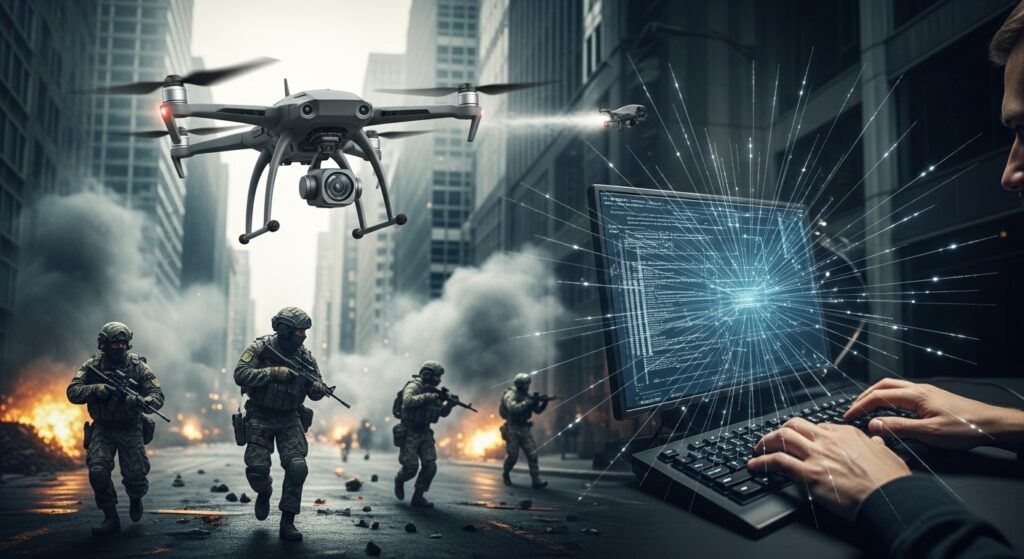
Contemporary conflicts increasingly involve non-state actors, cyber warfare, and hybrid strategies. The War on Terror reflects how security threats have shifted toward terrorism, insurgency, and unconventional warfare.
Conflicts in the Middle East and Eastern Europe highlight the complexity of modern warfare, where economic sanctions, cyber operations, and information warfare play critical roles alongside traditional military engagement.
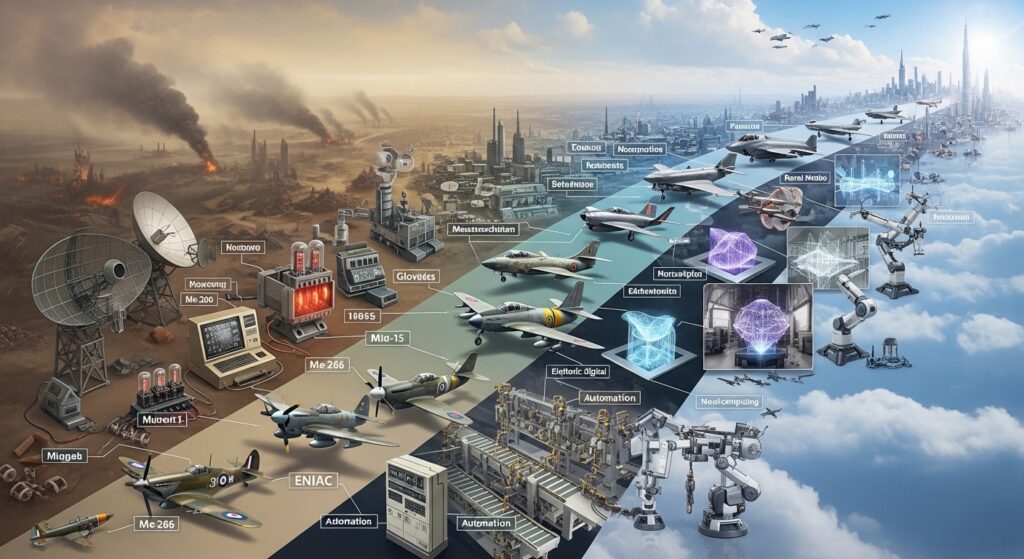
Economic and Technological Impact of Global Conflicts
Major conflicts often accelerate technological innovation and economic transformation. Advances in aviation, computing, medicine, and industrial production were significantly influenced by wartime research and necessity.
At the same time, wars reshape trade routes, influence energy markets, and contribute to long-term economic restructuring across regions.

The Future — Preventing Conflict in a Multipolar World
As global power becomes more distributed, preventing large-scale conflict requires stronger diplomacy, economic interdependence, and international cooperation.
Organizations, alliances, and economic partnerships increasingly play a role in deterrence and conflict management, reflecting lessons learned from past global wars.
Conclusion — Conflict’s Lasting Legacy on Global Order
Major global conflicts have repeatedly reshaped political boundaries, economic systems, and international institutions. While the human cost of war remains immense, these conflicts have also driven technological progress, diplomatic evolution, and the creation of frameworks designed to maintain peace.
From the world wars to modern asymmetric conflicts, each confrontation has contributed to the complex geopolitical landscape that defines today’s international order. Understanding these historical turning points is essential for recognizing patterns of tension, anticipating future challenges, and strengthening global efforts toward stability.
The history of global conflict ultimately serves as both a warning and a lesson — highlighting the importance of diplomacy, cooperation, and strategic foresight in shaping a more stable future.
- For You