Introduction — A Rapidly Expanding Human Landscape
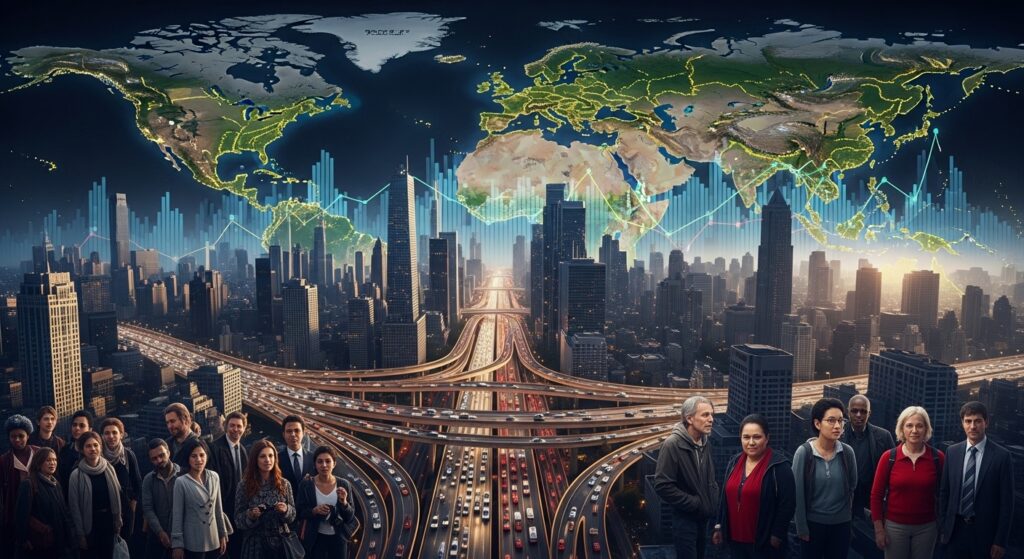
Population growth remains one of the most influential forces shaping economic development, environmental sustainability, and social structures worldwide. As the global population continues to rise, nations face both opportunities and challenges related to resource distribution, employment, urban planning, and public services.
The impact of population growth extends beyond numbers; it influences consumption patterns, labor markets, technological innovation, and long-term development strategies. Understanding population growth and its impact is essential for anticipating future economic and environmental pressures.

Economic Opportunities and Workforce Expansion
A growing population can contribute positively to economic growth by expanding the labor force, increasing consumer demand, and stimulating innovation. Countries with youthful populations often experience demographic advantages that support productivity and entrepreneurship.
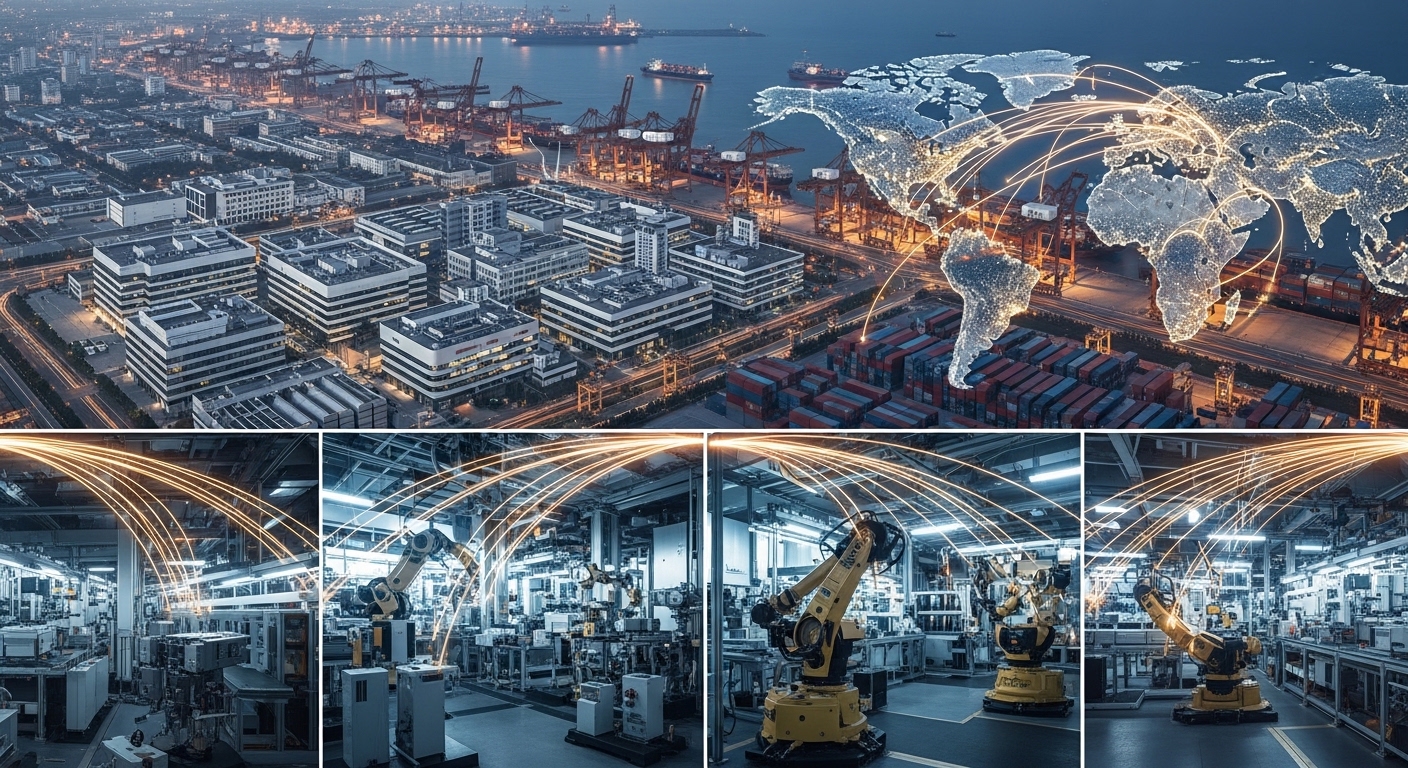
Emerging economies such as India and Nigeria demonstrate how population expansion can drive market growth and attract investment.
However, these benefits depend heavily on education, employment opportunities, and effective economic planning.
Urbanization and Infrastructure Pressure
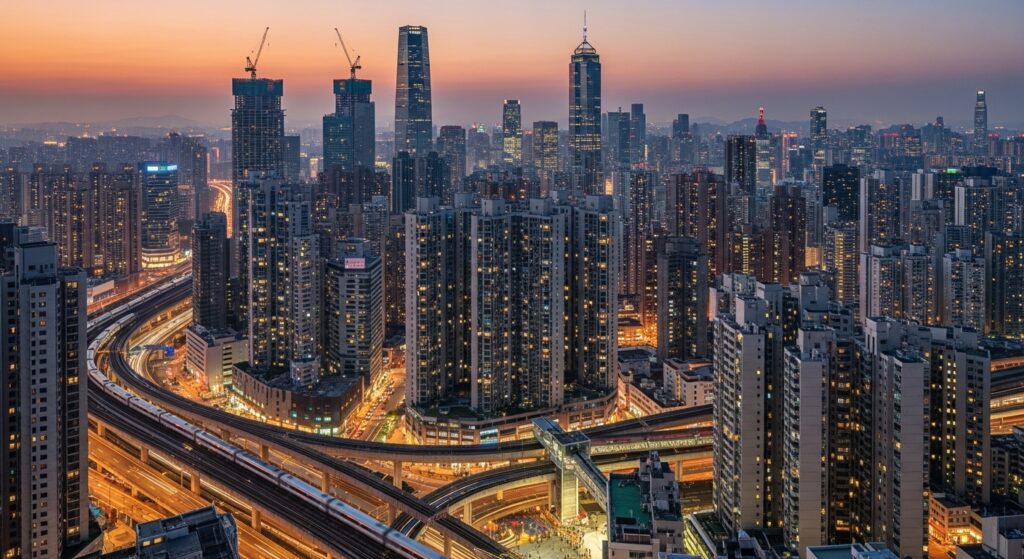
Population growth accelerates urbanization as people migrate toward cities seeking employment and improved living standards. Rapid urban expansion can strain housing, transportation, healthcare, and public infrastructure.
Megacities across China and Brazil illustrate both the opportunities and challenges associated with large urban populations.
Without sustainable planning, urban overcrowding can lead to inequality, environmental degradation, and reduced quality of life.
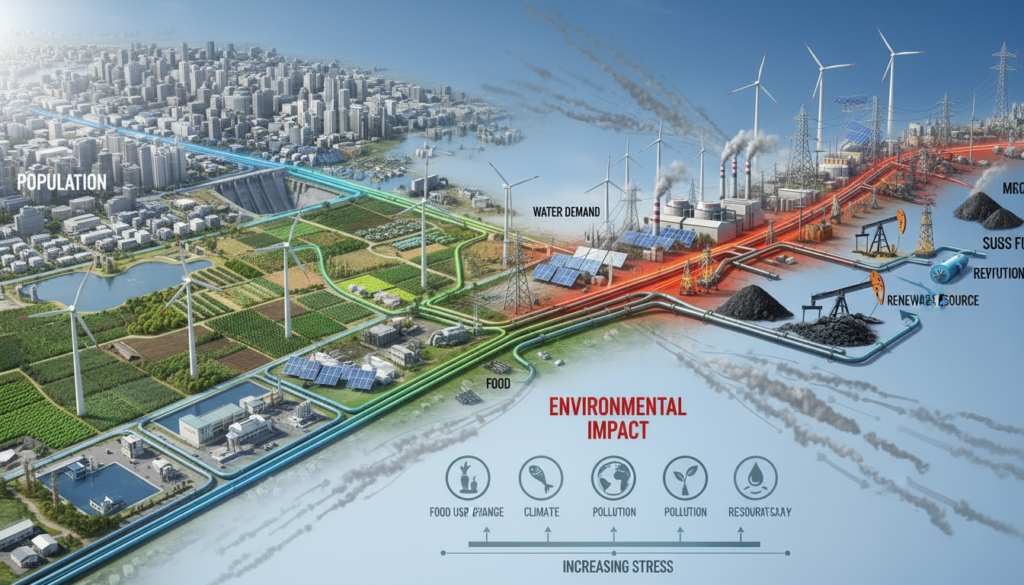
Resource Demand and Environmental Concerns
A growing population increases demand for food, water, energy, and natural resources. This pressure can contribute to environmental challenges such as deforestation, pollution, and climate change.
Balancing economic growth with sustainable resource management is one of the central global challenges associated with demographic expansion.
Technological innovation and renewable energy adoption are increasingly important in addressing these pressures.

Employment Challenges and Economic Inequality
While population growth can create economic opportunities, insufficient job creation may lead to unemployment, underemployment, and social inequality.
Youth unemployment in rapidly growing regions highlights the importance of education, skills development, and economic diversification in transforming demographic growth into a development advantage.

Healthcare and Social Service Demand
Population expansion increases demand for healthcare, education, and social protection systems. Governments must invest in public services to maintain quality of life and support long-term development.
Countries experiencing rapid population growth often face challenges related to healthcare accessibility, maternal health, and education capacity.
Effective policy planning plays a critical role in managing these demographic pressures.

Aging Populations and Demographic Imbalance
While some countries experience rapid population growth, others face aging populations and declining birth rates. This demographic imbalance creates global economic challenges related to pension systems, healthcare costs, and workforce sustainability.
Countries such as Japan highlight how aging demographics can reshape economic priorities and social policy planning.
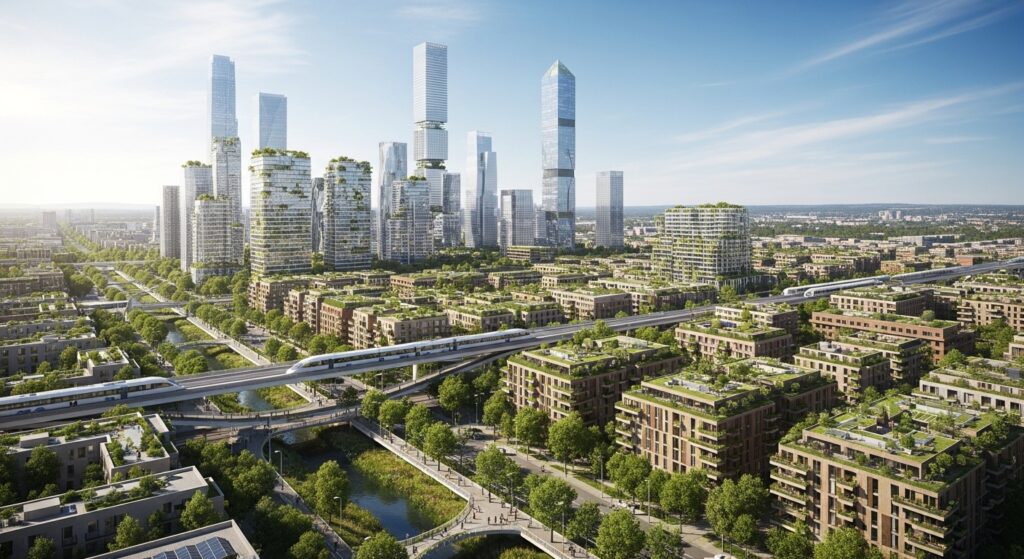
The Future — Managing Growth Sustainably
Future population trends will depend on fertility rates, migration patterns, economic development, and public policy decisions. Sustainable urban planning, technological innovation, and investment in education are key to transforming population growth into a positive force.
International cooperation and development strategies will play an important role in addressing demographic challenges and opportunities.
Conclusion — Balancing Opportunity and Pressure
Population growth represents both a powerful driver of economic opportunity and a significant source of global challenges. Expanding populations can stimulate innovation, workforce development, and market growth, yet they also place increasing pressure on resources, infrastructure, and social systems.
The long-term impact of population growth depends largely on policy effectiveness, education, and sustainable development strategies. Countries that successfully invest in human capital and infrastructure are more likely to transform demographic expansion into economic strength.
Understanding population growth and its impact is essential for navigating the future — where managing resources, supporting inclusive development, and ensuring environmental sustainability will define global progress.
- For You