Introduction — The Currency That Shapes Global Trade
Few economic forces influence global trade as profoundly as the U.S. dollar. The power of the U.S. dollar in global trade extends beyond simple currency exchange; it shapes commodity pricing, international reserves, cross-border investments, and financial stability worldwide.
For decades, the dollar has functioned as the primary medium of global transactions, creating a system where trade flows, financial markets, and national economic strategies often revolve around its stability and availability.
Understanding dollar dominance is essential to understanding modern globalization itself.

Why the Dollar Became the World’s Trade Currency
The dollar’s dominance emerged after World War II when economic strength, financial stability, and institutional trust positioned the United States at the center of the global financial system.
Institutions such as the International Monetary Fund and the World Bank reinforced dollar usage through lending frameworks and international settlement mechanisms.
Over time, widespread trust, deep capital markets, and political stability helped transform the dollar into the default currency for global trade.

The Dollar as the Primary Reserve Currency
Central banks around the world hold large portions of their foreign reserves in dollars. This reserve status provides liquidity, stability, and ease of international transactions.
The Federal Reserve plays a critical role in maintaining global confidence through monetary policy decisions that ripple across international markets.
Reserve currency status amplifies the dollar’s influence far beyond domestic economic boundaries.
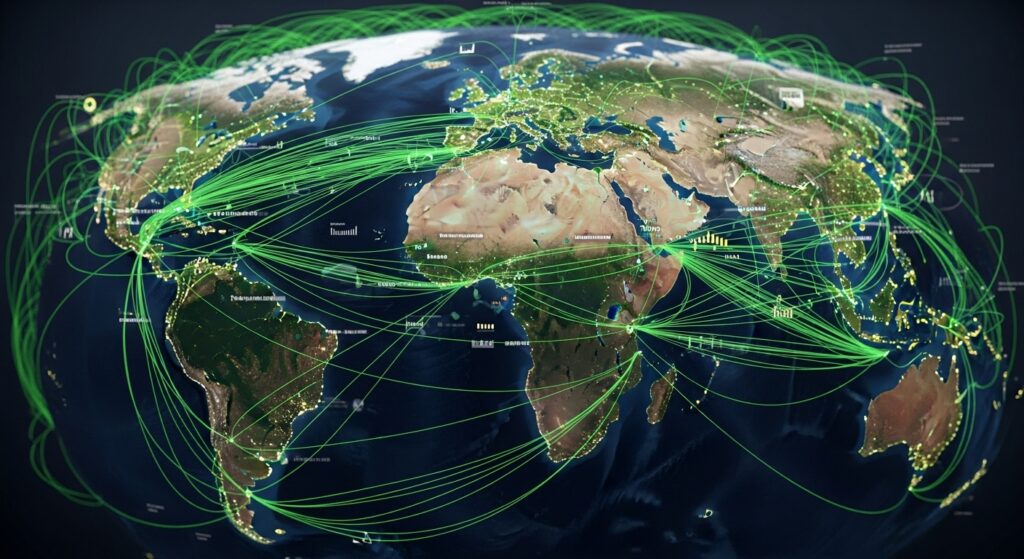
Commodity Pricing and the Petrodollar Effect
A significant portion of global commodities — particularly oil — is priced in dollars. This practice compels countries to maintain dollar reserves to participate effectively in global energy markets.
Dollar-based commodity pricing reinforces demand for the currency even among nations with limited direct trade ties to the United States.

Trade Finance and Payment Infrastructure
International trade relies heavily on dollar-based payment networks and settlement systems. Financial messaging platforms like SWIFT facilitate secure cross-border transactions where the dollar often serves as the intermediary currency.
This infrastructure advantage strengthens the dollar’s role in trade financing, banking, and global liquidity provision.
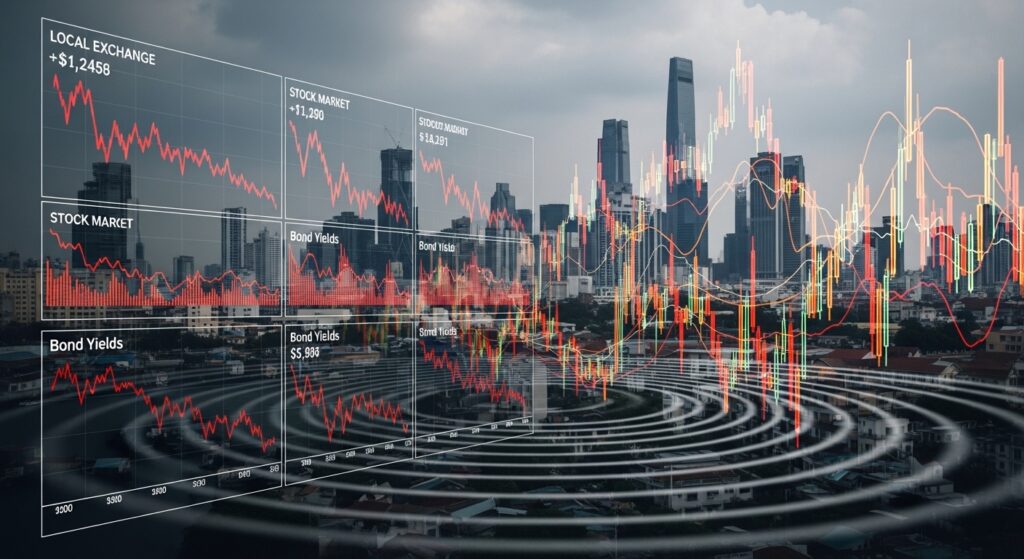
Impact on Emerging Economies
Dollar strength can significantly influence emerging markets. Currency fluctuations, debt obligations denominated in dollars, and capital flow sensitivity create both opportunities and vulnerabilities.
When the dollar strengthens, borrowing costs for developing nations often increase, highlighting the asymmetric effects of currency dominance.
The Growing Debate Around De-Dollarization
Some nations are exploring alternatives to reduce dependence on the dollar, including bilateral currency agreements, regional payment systems, and digital currency initiatives.
While these efforts indicate gradual diversification, replacing the dollar entirely remains challenging due to network effects, liquidity advantages, and institutional trust.

The Future — Evolution Rather Than Replacement
The future of dollar dominance may involve adaptation rather than abrupt decline. Digital currencies, geopolitical shifts, and evolving trade alliances could gradually reshape currency dynamics.
However, the structural advantages supporting the dollar suggest that its influence will remain significant for the foreseeable future.
Conclusion — Dollar Dominance Reflects Trust and Infrastructure
The power of the U.S. dollar in global trade is rooted not only in economic strength but in trust, liquidity, and deeply integrated financial infrastructure. While diversification trends are emerging, the dollar continues to function as the backbone of international trade and financial stability.
Understanding its role provides insight into global economic power, market behavior, and the future direction of international commerce.
The story of global trade cannot be told without understanding the story of the dollar.
- For You