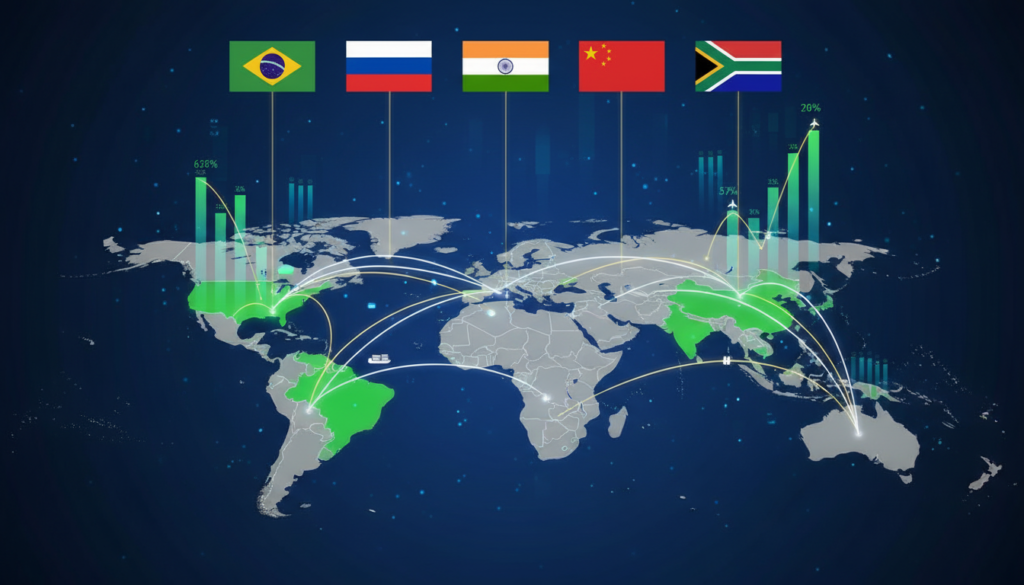
Introduction — A Shift Toward Multipolar Economic Power
The rise of BRICS nations represents one of the most significant shifts in the modern global economic landscape. Comprising Brazil, Russia, India, China, and South Africa, the BRICS alliance reflects growing cooperation among major emerging economies seeking greater influence in global governance and finance.
These nations collectively represent a substantial share of the world’s population, natural resources, and economic growth potential, challenging traditional Western dominance in international institutions.
Understanding the rise of BRICS nations provides insight into how economic power is becoming more distributed across regions.
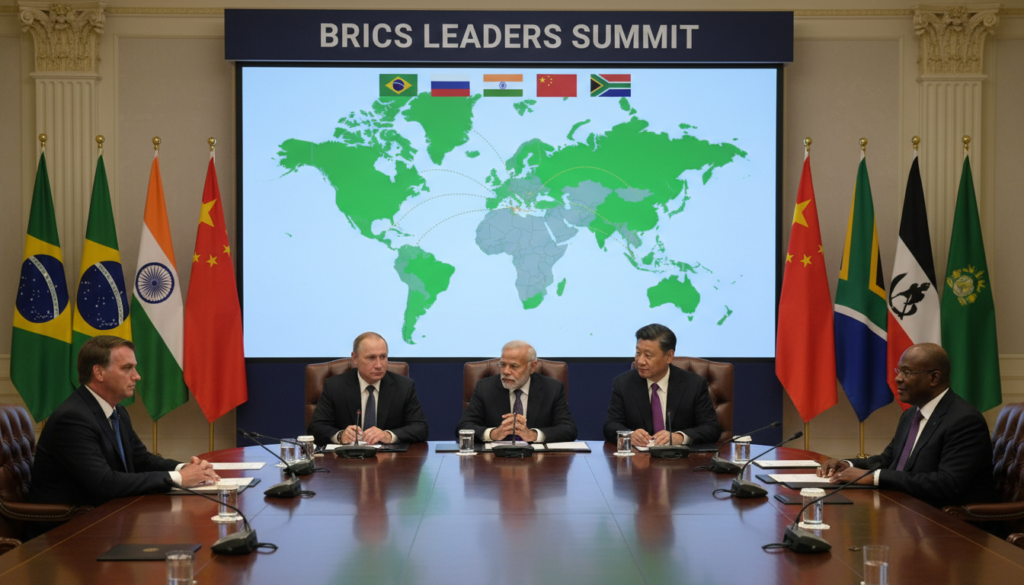
Origins and Formation of BRICS
The concept of BRICS emerged as analysts began recognizing the rapid economic growth of large developing economies. Over time, cooperation evolved from an economic grouping into a broader platform for political dialogue and financial collaboration.
The creation of the New Development Bank symbolized efforts to establish alternative financial mechanisms capable of supporting infrastructure and development without relying solely on traditional Western-led institutions.
This institutional development strengthened the bloc’s credibility and long-term strategic vision.
Economic Influence and Market Potential
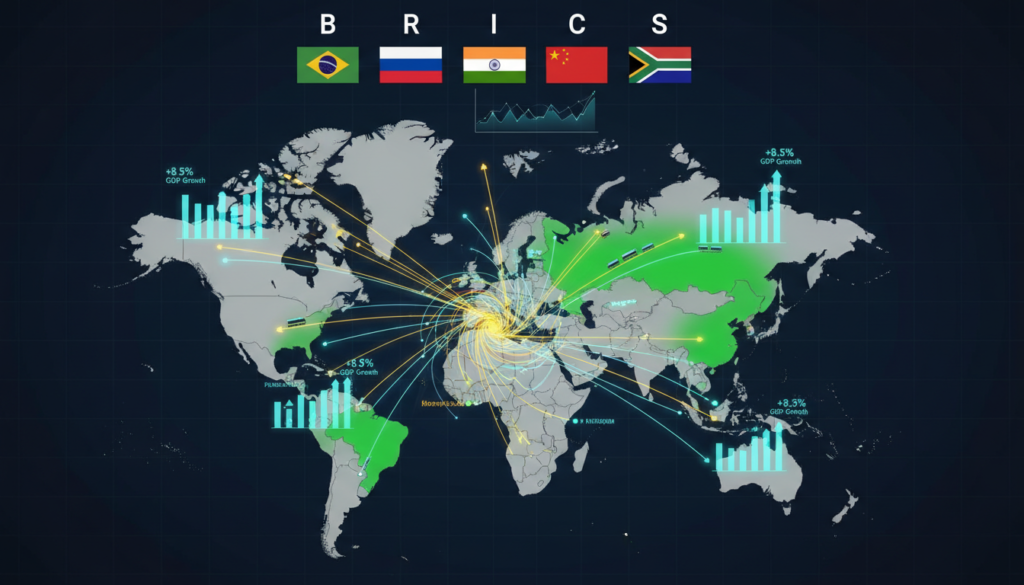
BRICS nations play a growing role in global trade, manufacturing, energy production, and technology development. Rapid urbanization, expanding middle classes, and industrial growth contribute to increasing domestic consumption and investment opportunities.
Countries such as China and India serve as major growth engines, while Brazil, Russia, and South Africa provide strategic access to natural resources and regional markets.
This combination enhances the bloc’s collective bargaining power in global economic negotiations.
Challenging Traditional Global Financial Structures
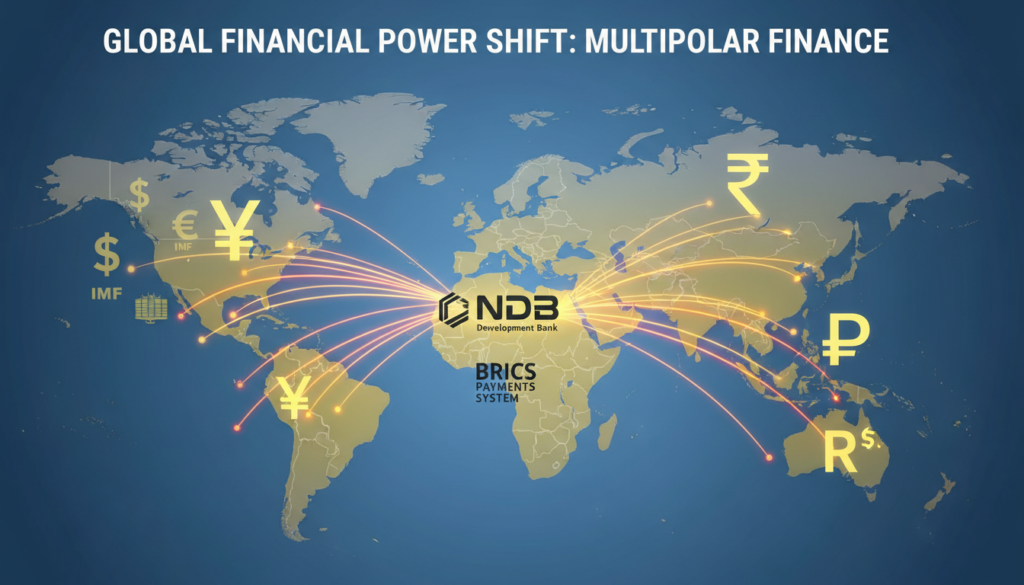
One of the key motivations behind BRICS cooperation is the desire to balance influence within institutions such as the International Monetary Fund and the World Bank.
Calls for reform in voting rights, development financing, and global economic governance reflect broader concerns among emerging economies regarding representation and policy priorities.
Efforts to increase trade in local currencies and reduce dependence on dominant reserve currencies further illustrate strategic financial diversification.
Geopolitical Cooperation and Strategic Influence
Beyond economics, BRICS provides a platform for geopolitical dialogue and coordination on international issues. Cooperation spans energy security, technology development, and diplomatic alignment in global forums.
While the bloc is not a formal military alliance, its collective positions on global governance issues contribute to shaping international discourse and negotiations.
Challenges and Internal Differences
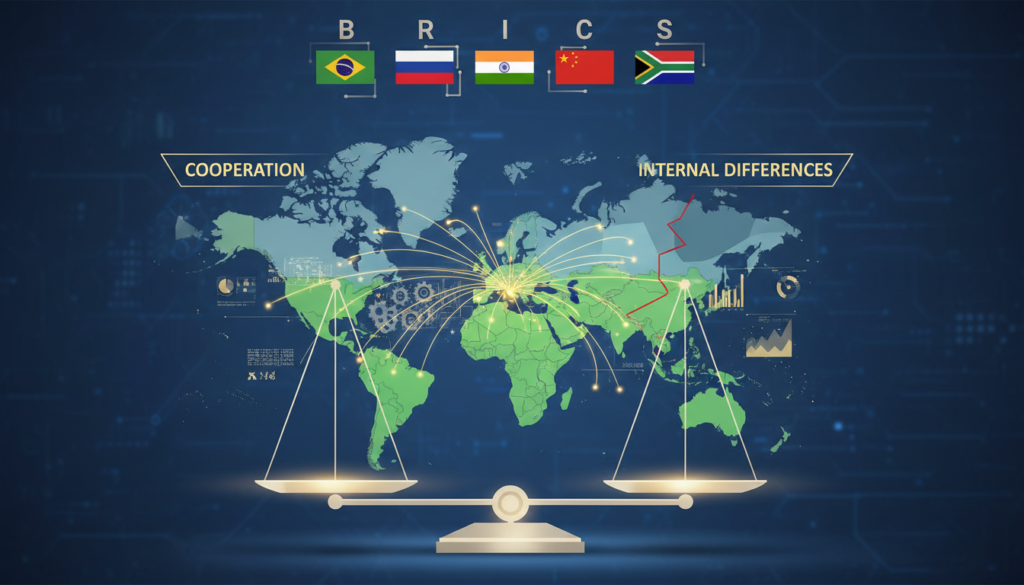
Despite its growing influence, BRICS faces internal challenges stemming from differing political systems, economic structures, and regional priorities.
Trade imbalances, geopolitical tensions, and varying development levels can complicate deeper integration. These differences highlight the complexity of maintaining unity within a diverse coalition.
Nevertheless, shared interests in development, sovereignty, and global representation continue to sustain cooperation.
Expansion and the Future of BRICS
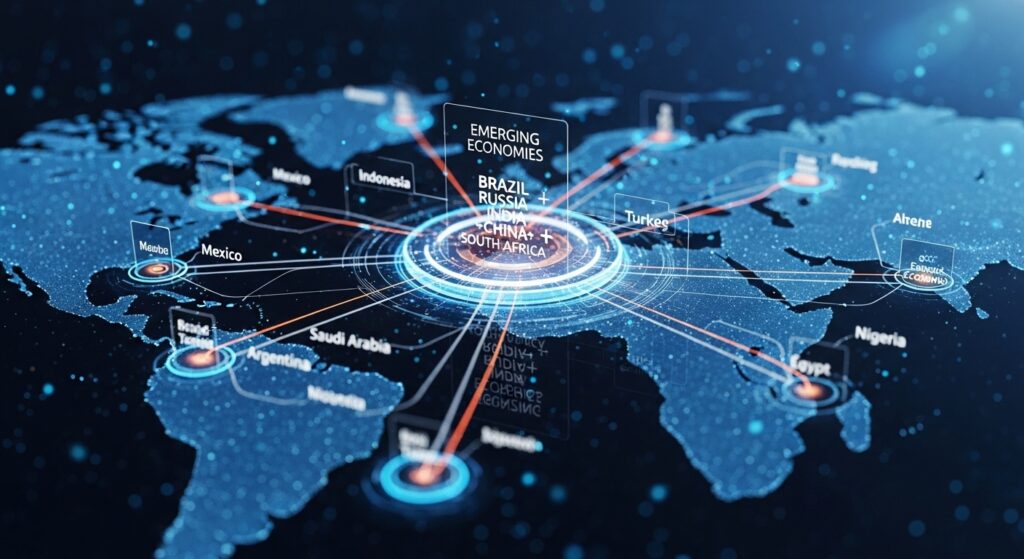
Recent discussions around expansion indicate that BRICS may evolve into a broader coalition of emerging economies. Increased membership could amplify its economic weight and global influence while also introducing new coordination challenges.
As global power dynamics continue to shift, BRICS is likely to remain a central actor in shaping debates around development, trade, and financial reform.
Conclusion — A Catalyst for a More Balanced Global Order
The rise of BRICS nations reflects a broader transformation toward a multipolar world where emerging economies play a more influential role in shaping global policies and economic systems. Through cooperation in finance, trade, and development, BRICS offers an alternative platform for addressing challenges faced by developing nations.
While internal differences and geopolitical complexities remain, the bloc’s growing economic strength and institutional initiatives signal a long-term shift in global power distribution. Rather than replacing existing structures entirely, BRICS is contributing to a more diversified international system where multiple centers of influence coexist.
Understanding the rise of BRICS nations is essential for anticipating future trends in global governance, financial cooperation, and economic competition in the decades ahead.
- For You