Introduction — The Manufacturing Engine of Globalization
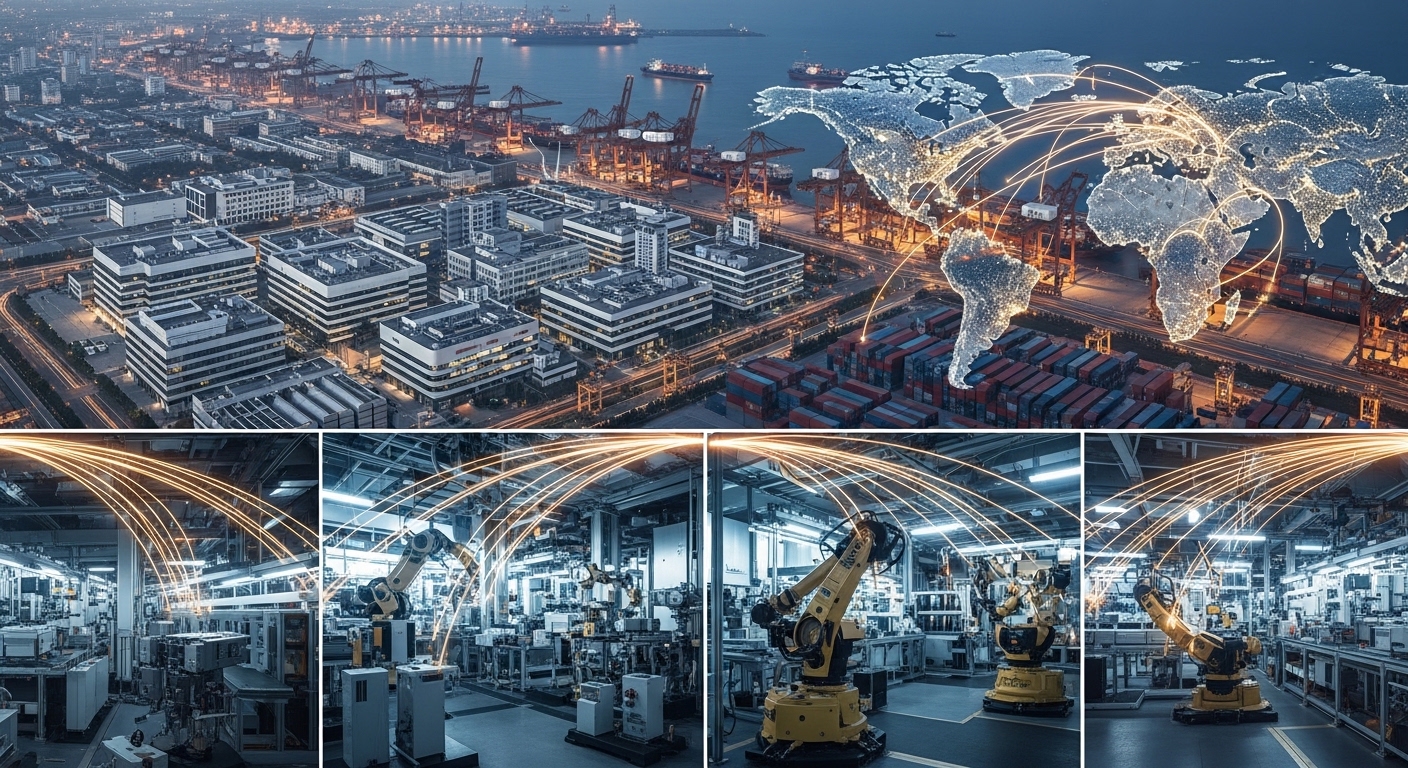
Few countries have shaped global production as profoundly as China. The role of China in global manufacturing extends beyond factory output; it influences supply chains, trade costs, industrial innovation, and consumer pricing worldwide.
Over the past few decades, China transformed from a low-cost manufacturing destination into a sophisticated industrial powerhouse with advanced infrastructure, skilled labor, and integrated logistics networks.
Understanding China’s manufacturing influence is essential to understanding modern global trade itself.
How China Became the World’s Manufacturing Hub
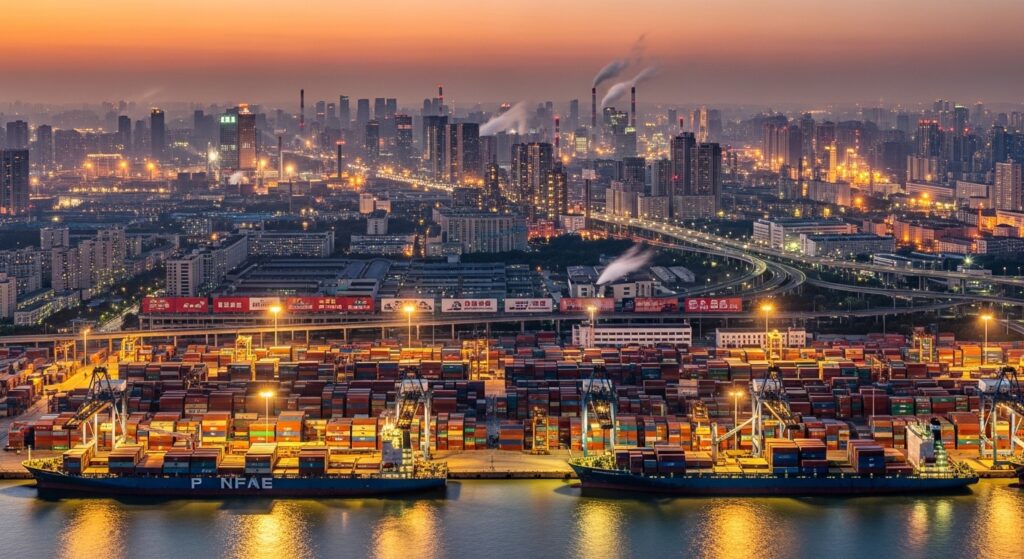
China’s manufacturing rise was driven by a combination of policy reforms, infrastructure investment, export-focused strategies, and access to a vast labor force.
Membership in the World Trade Organization accelerated its integration into international markets, attracting foreign investment and enabling large-scale export growth.
Industrial clusters, efficient ports, and supportive government policies created a highly competitive manufacturing environment.
Supply Chain Integration and Industrial Ecosystems
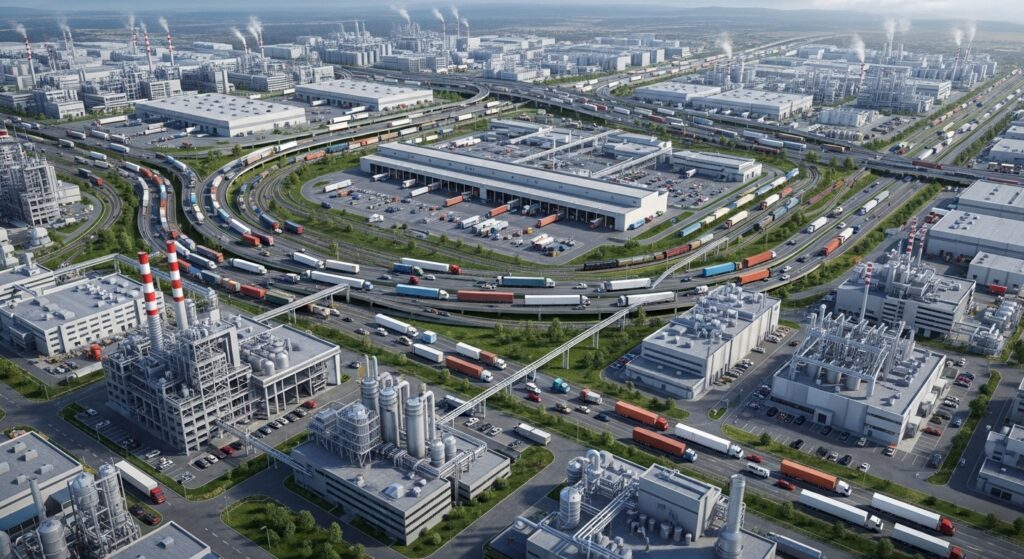
One of China’s greatest advantages lies in its deeply integrated supply chain ecosystem. Component suppliers, assembly plants, logistics providers, and export facilities often operate within close geographic proximity.
This concentration reduces production time, lowers costs, and enhances flexibility for global companies.
Major corporations like Apple rely heavily on Chinese manufacturing networks for efficient production and assembly.
Infrastructure and Logistics Superiority
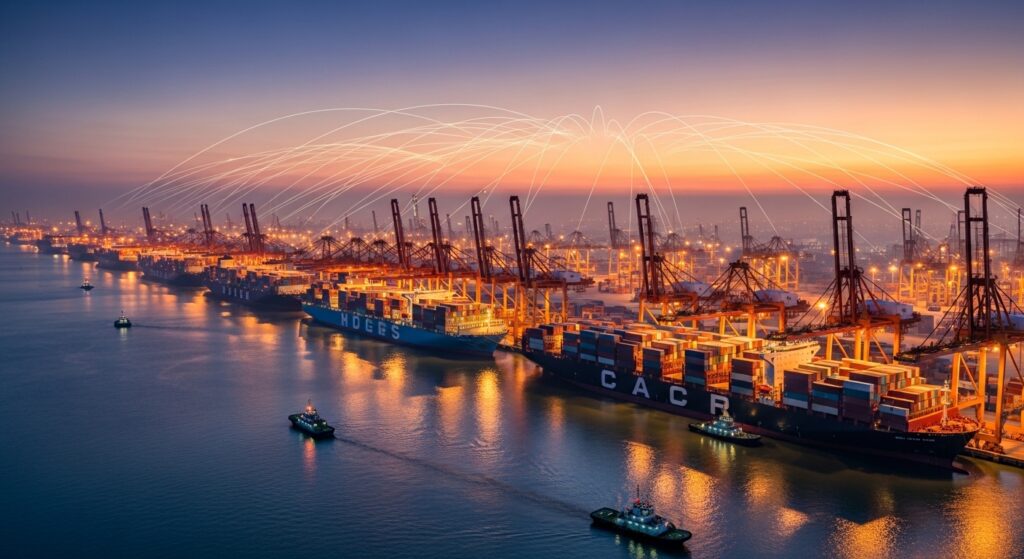
China’s world-class infrastructure — including highways, high-speed rail, and mega ports — plays a critical role in sustaining manufacturing efficiency.
Ports such as Port of Shanghai rank among the busiest globally, enabling massive export volumes and fast international distribution.
Efficient logistics strengthen China’s competitiveness even as labor costs gradually rise.
Technology and the Shift Toward Advanced Manufacturing
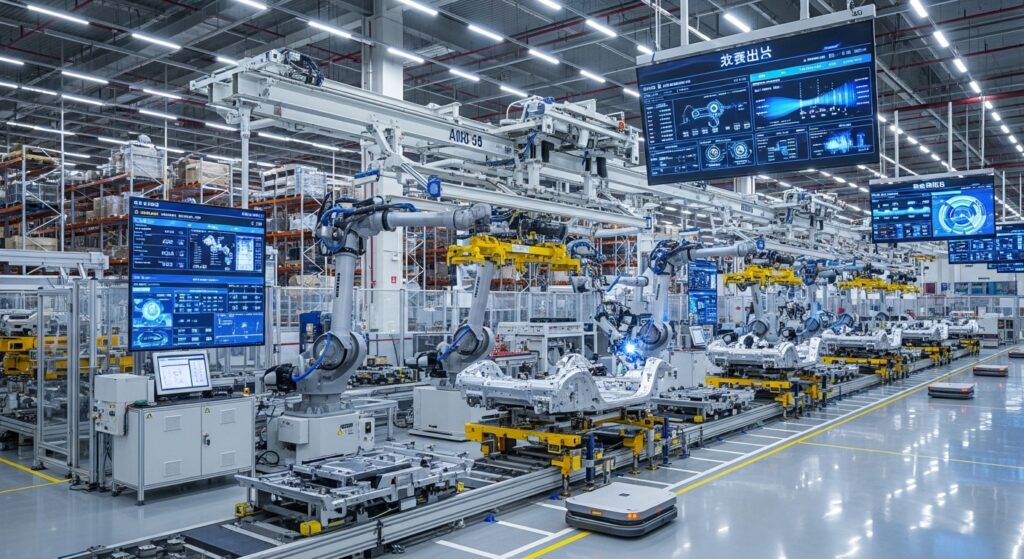
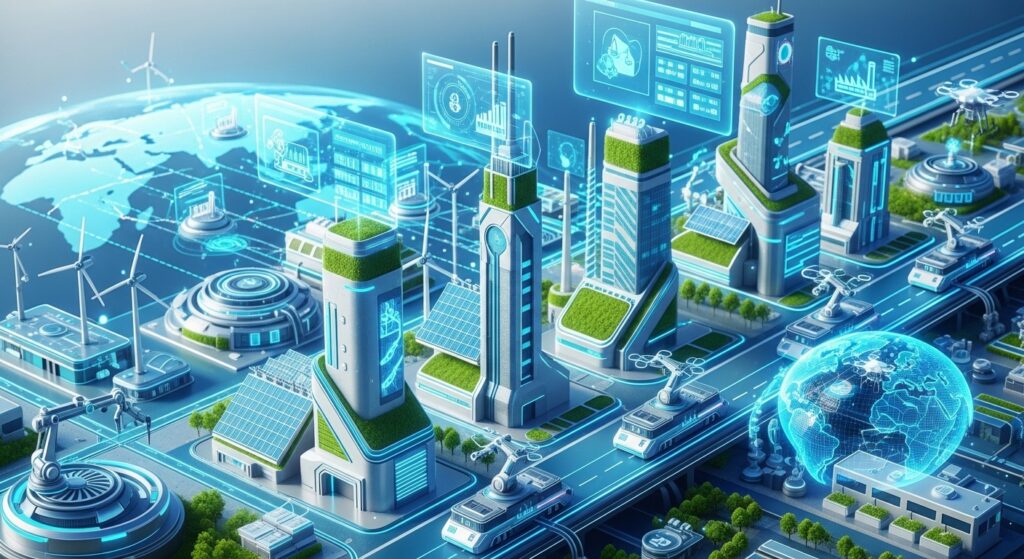
China is increasingly transitioning from labor-intensive production to high-tech manufacturing. Robotics, AI-driven automation, and smart factories are redefining productivity and product quality.
Government initiatives aimed at technological self-reliance are accelerating growth in semiconductors, electric vehicles, and advanced electronics.
Challenges and Supply Chain Diversification
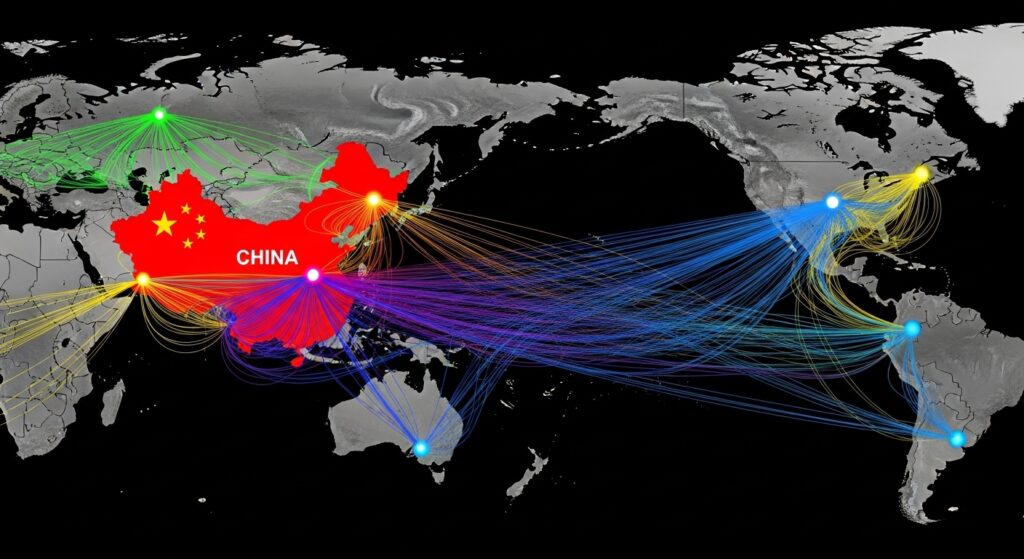
Rising labor costs, geopolitical tensions, and pandemic disruptions have encouraged some companies to diversify production beyond China. Countries in Southeast Asia and South Asia are gaining manufacturing opportunities as part of a “China plus one” strategy.
However, replicating China’s scale, infrastructure, and supplier density remains challenging for most alternatives.
China’s Influence on Global Prices and Consumer Markets
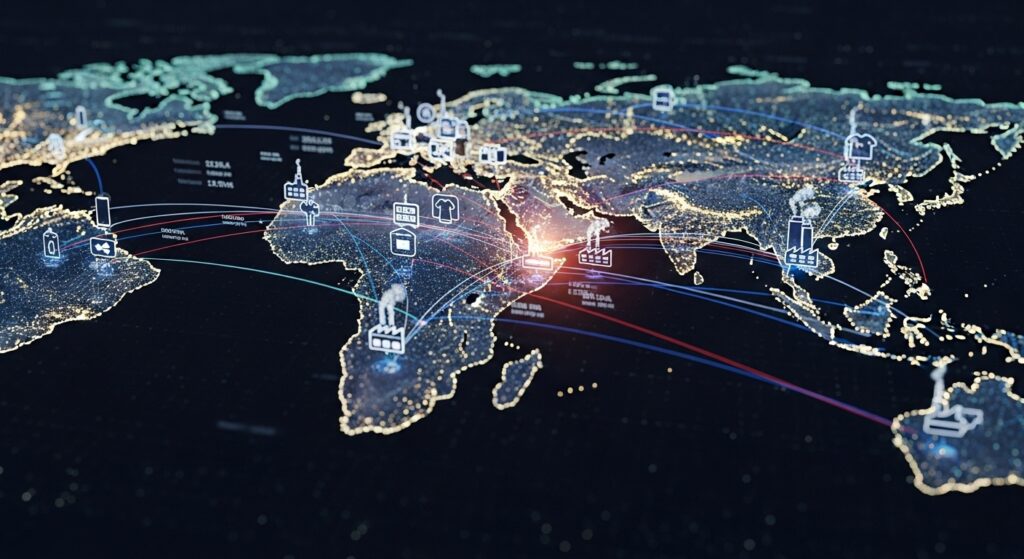
China’s manufacturing efficiency has significantly lowered global consumer prices, making electronics, clothing, and household goods more accessible worldwide.
At the same time, heavy reliance on Chinese production exposes global markets to disruptions when supply chains are affected.
The Future — Evolution Rather Than Decline
China’s role in global manufacturing is evolving rather than diminishing. Automation, domestic consumption growth, and technological advancement are reshaping its industrial landscape.
The country is likely to remain a central pillar of global manufacturing while sharing space with emerging production hubs.
Conclusion — China Remains Central to Global Production
The role of China in global manufacturing reflects a combination of scale, efficiency, infrastructure, and strategic policy. While diversification trends are reshaping production geography, China’s integrated ecosystem continues to offer advantages difficult to replicate.
Understanding China’s manufacturing dominance provides insight into global pricing, supply chain resilience, and the future direction of industrial globalization.
China is not merely part of the manufacturing system — it is one of its defining foundations.
- For You