What Is NATO?
The NATO (North Atlantic Treaty Organization) is one of the most powerful military alliances in modern history. Formed in 1949 after World War II, its primary mission was to ensure collective defense among member countries against external threats.
The alliance operates on a simple but powerful principle — an attack on one member is considered an attack on all. This concept, known as collective security, has shaped global military and political stability for decades.
Initially created to counter the influence of the Soviet Union, NATO has evolved into a broader security organization dealing with terrorism, cyber threats, geopolitical tensions, and crisis management.
🛡 NATO’s Core Purpose and Objectives
NATO’s role extends beyond military power. Its core objectives include:
- Collective defense
- Crisis prevention and conflict management
- Cooperative security with global partners
- Military coordination and intelligence sharing
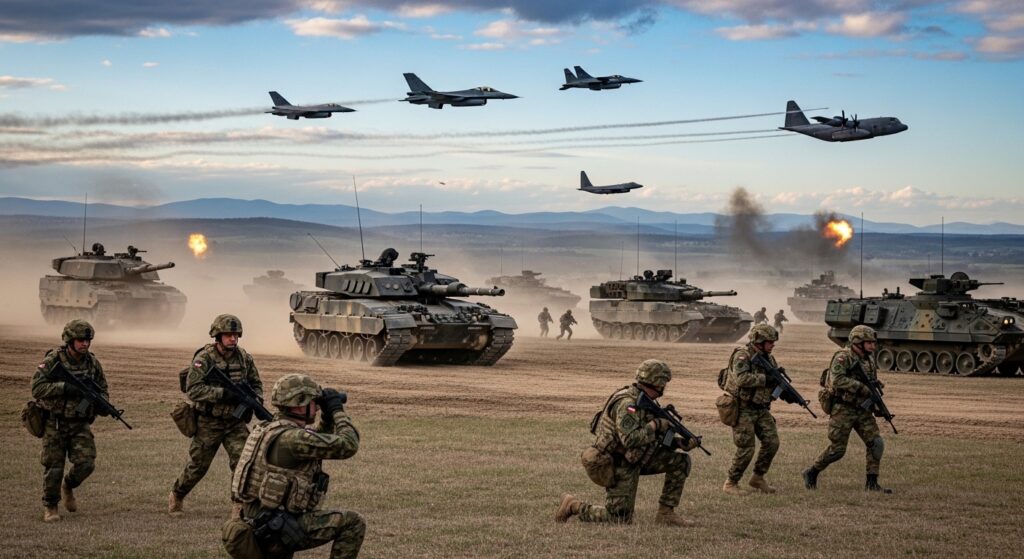
Through joint military exercises and defense planning, NATO strengthens cooperation among its members, including the United States, United Kingdom, France, and Germany.
🌐 NATO’s Role in Modern Global Conflicts
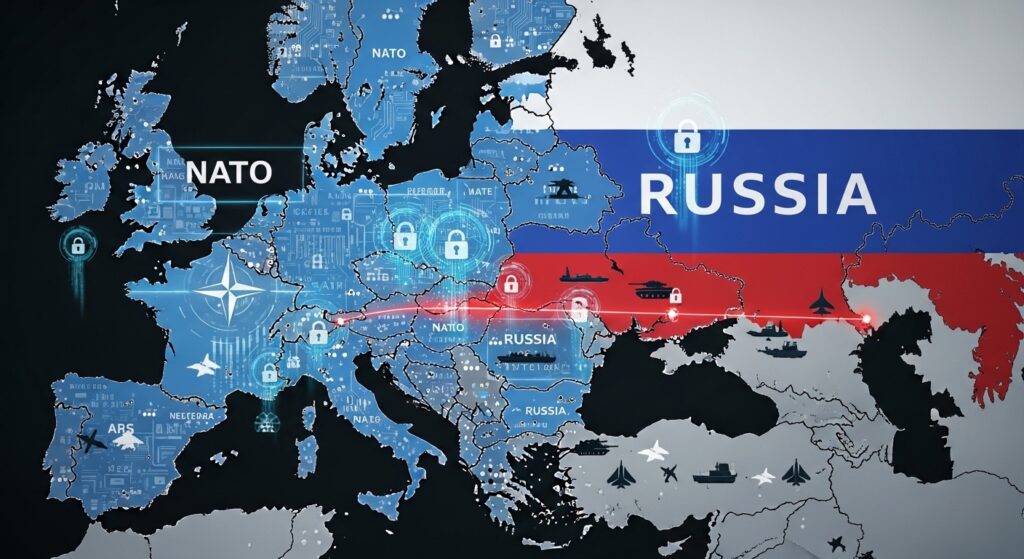
In recent decades, NATO has played a visible role in global crisis management. From peacekeeping missions to counter-terrorism operations, the alliance has influenced security decisions worldwide.
Its involvement in regions like Afghanistan, the Balkans, and Eastern Europe demonstrates NATO’s shift from a defensive alliance to an active geopolitical stabilizer.
Tensions with Russia have further increased NATO’s strategic importance, especially after conflicts affecting European security dynamics.
💻 NATO and Emerging Security Threats
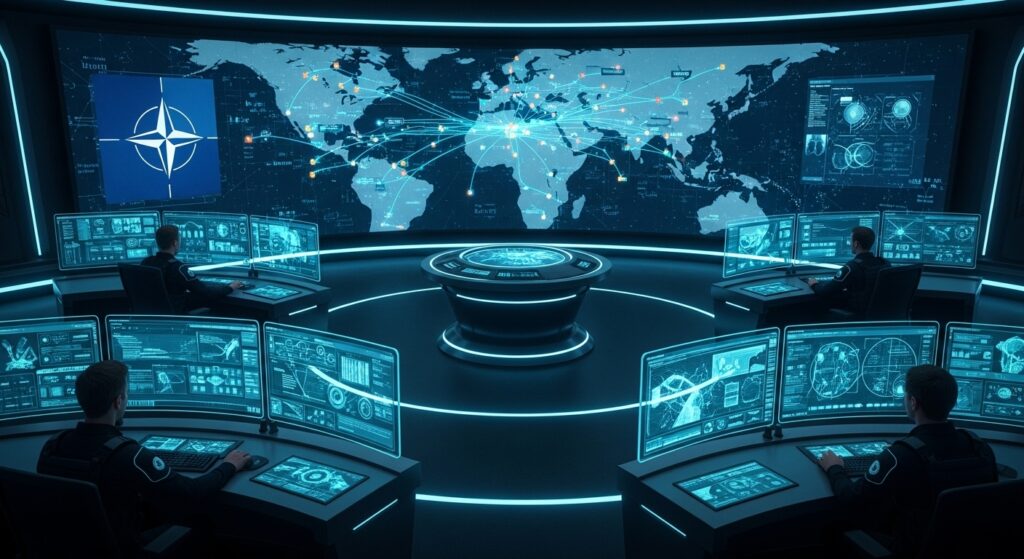
Security today is no longer limited to physical warfare. NATO is increasingly focused on:
- Cyber warfare
- Hybrid conflicts
- Artificial intelligence in defense
- Space security
The alliance has strengthened partnerships with organizations like the United Nations and regional allies to address non-traditional threats that impact global stability.
⚖ Criticism and Global Debate Around NATO
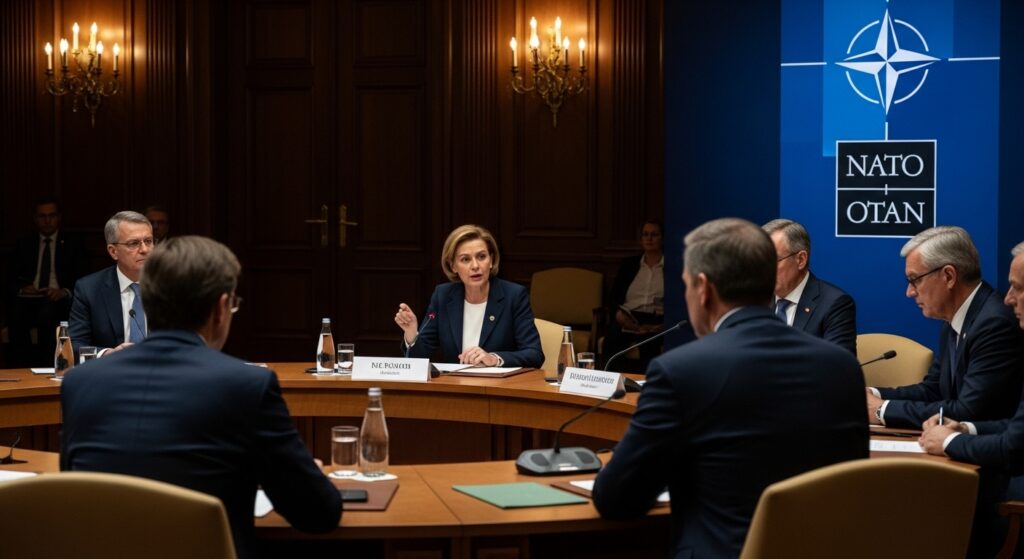
Despite its influence, NATO is not free from criticism. Some nations view its expansion as a source of geopolitical tension rather than stability.
Debates often focus on:
- Military spending pressure on member states
- Strategic expansion concerns
- Risk of escalating regional conflicts
- Dependence on dominant military powers
These debates highlight the complex balance between deterrence and diplomacy in global security.

🔮 The Future of NATO in a Multipolar World
As global power shifts toward a multipolar structure, NATO’s role continues to evolve. The alliance is adapting to technological warfare, regional instability, and economic security challenges.
Its future influence will likely depend on:
- Strategic unity among members
- Response to emerging global powers
- Cyber and technological defense capabilities
- Ability to prevent large-scale conflicts
Rather than fading, NATO appears to be transforming into a broader security framework for the digital and geopolitical age.
Conclusion — NATO’s Enduring Influence in a Changing World
The NATO remains one of the most influential security alliances shaping global stability, deterrence, and geopolitical cooperation. While originally formed to address post-World War tensions, NATO has continuously adapted to emerging threats — from regional conflicts and terrorism to cyber warfare and technological security challenges.
Its principle of collective defense continues to serve as a powerful deterrent, reinforcing security commitments among member states and maintaining balance in an increasingly uncertain international environment. At the same time, debates surrounding expansion, military spending, and geopolitical tensions highlight the complex realities of sustaining global security partnerships.
As the world transitions toward a multipolar power structure, NATO’s relevance is unlikely to diminish. Instead, its role is evolving — shifting from a purely military alliance to a broader security framework capable of addressing digital threats, hybrid warfare, and crisis management.
Understanding NATO’s global role ultimately provides insight into how modern security alliances influence diplomacy, conflict prevention, and the stability of the international order. NATO is not merely a legacy institution of the past; it remains a dynamic force shaping the future of global security.
- For You