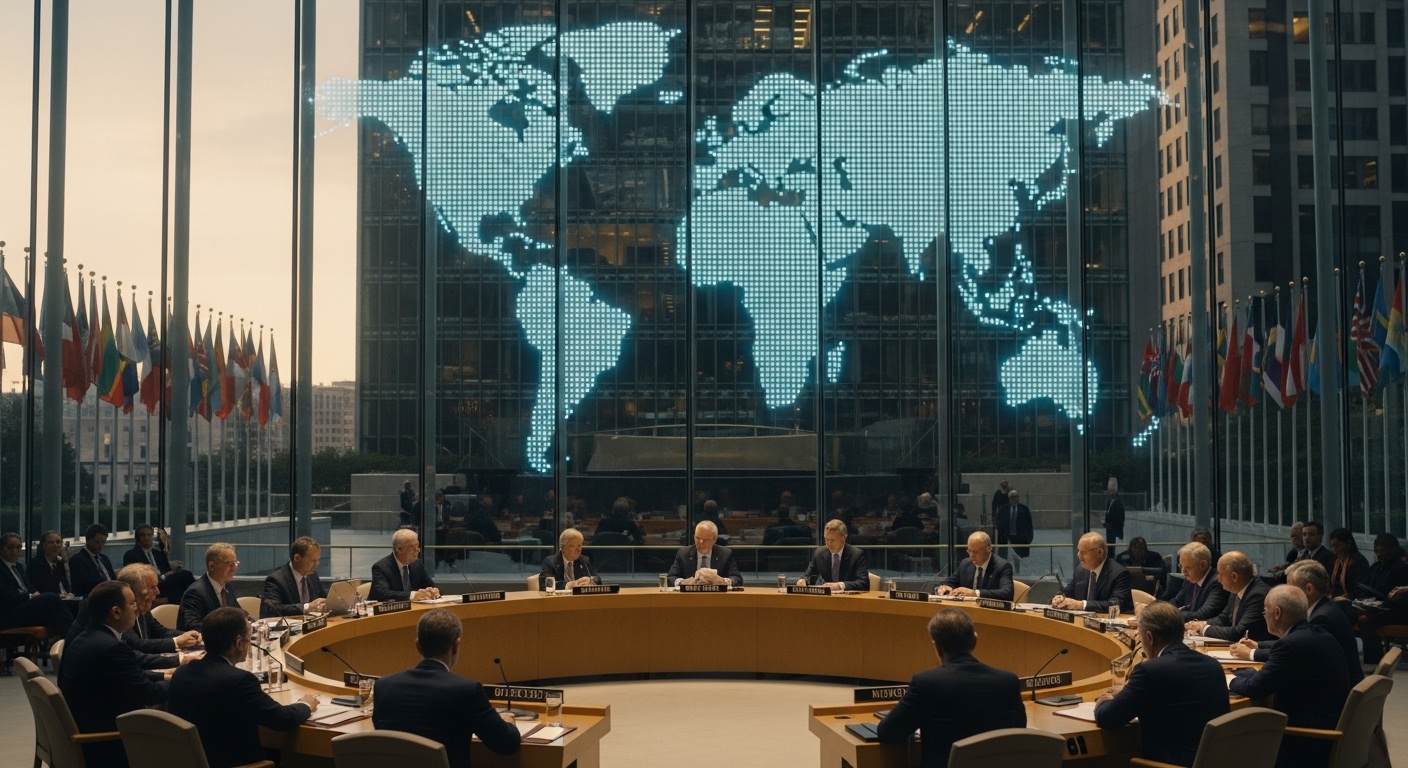
Introduction — A Platform for Global Cooperation
The United Nations stands as one of the most significant institutions shaping international dialogue and cooperation. Since its establishment after World War II, the organization has aimed to prevent conflict, promote human rights, support development, and create a structured platform for global decision-making.
The United Nations’ influence on global policy does not stem from military power but from diplomatic legitimacy, international consensus, and coordinated action among member states. Its resolutions, humanitarian programs, and peacekeeping missions continue to shape political and economic priorities worldwide.
Understanding how the United Nations influences global policy provides valuable insight into modern diplomacy and international governance.
Diplomatic Framework and Policy Coordination
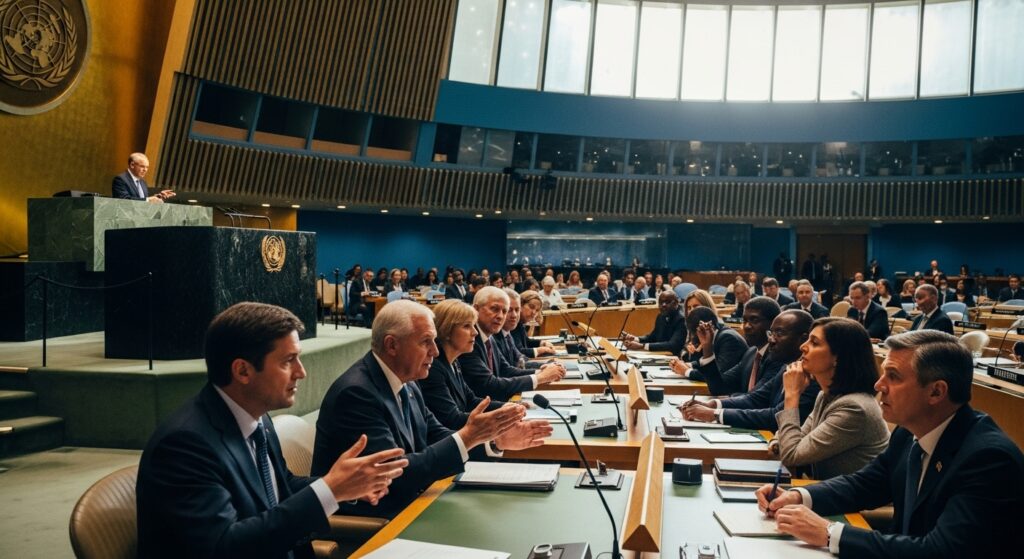
One of the UN’s most important roles is providing a diplomatic framework where countries can negotiate, debate, and coordinate responses to global challenges.
Through forums like the United Nations Security Council and the United Nations General Assembly, member states address issues ranging from armed conflict to climate policy and economic development.
Although enforcement power varies, these discussions often shape international norms, sanctions, and collective responses that influence national policymaking.
Peacekeeping and Conflict Resolution
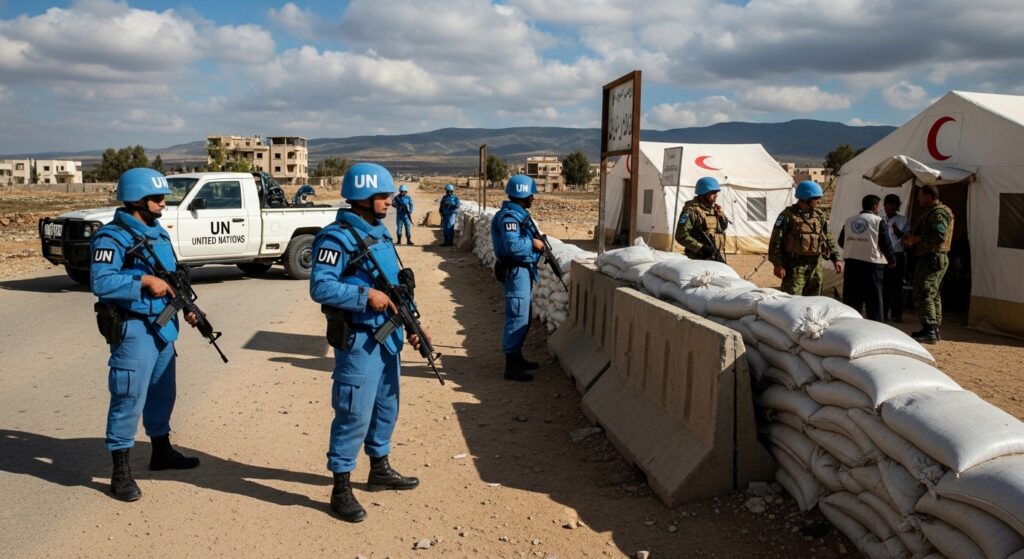
Peacekeeping operations represent one of the most visible ways the UN influences global security policy. Missions deployed in conflict zones aim to stabilize regions, protect civilians, and support political transitions.
Peacekeeping efforts across parts of Africa, the Middle East, and other regions demonstrate how international cooperation can help reduce violence and rebuild institutions.
While peacekeeping missions face operational and political challenges, they remain a central tool in global conflict management.
Humanitarian and Development Policy Influence
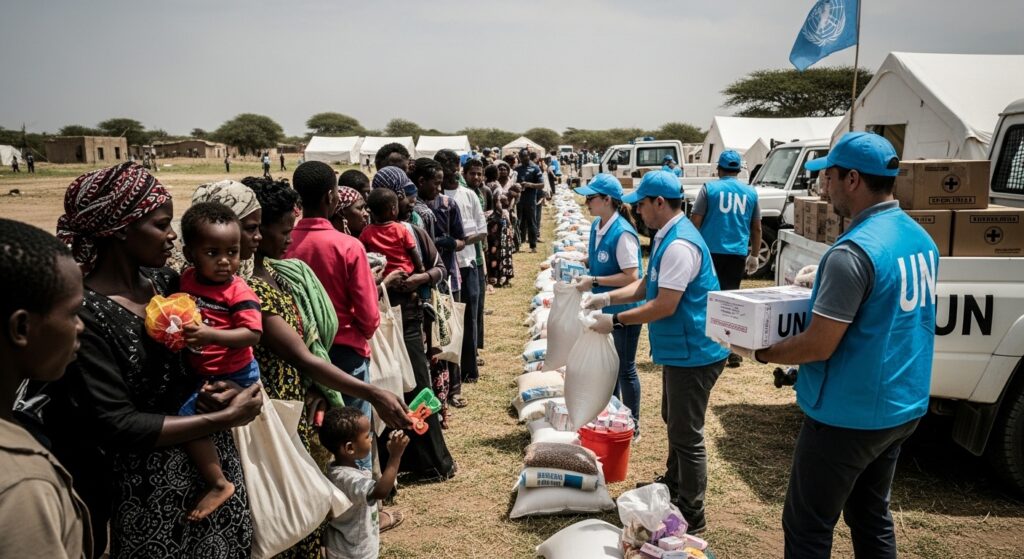
The UN plays a critical role in shaping global humanitarian priorities through agencies such as the World Food Programme and the UNICEF.
These programs influence international development policy by addressing poverty, food insecurity, education, and disaster response. Funding priorities and international partnerships often guide how governments and NGOs design social programs.
Humanitarian initiatives also strengthen global awareness of inequality and encourage coordinated international solutions.
Economic and Environmental Policy Leadership
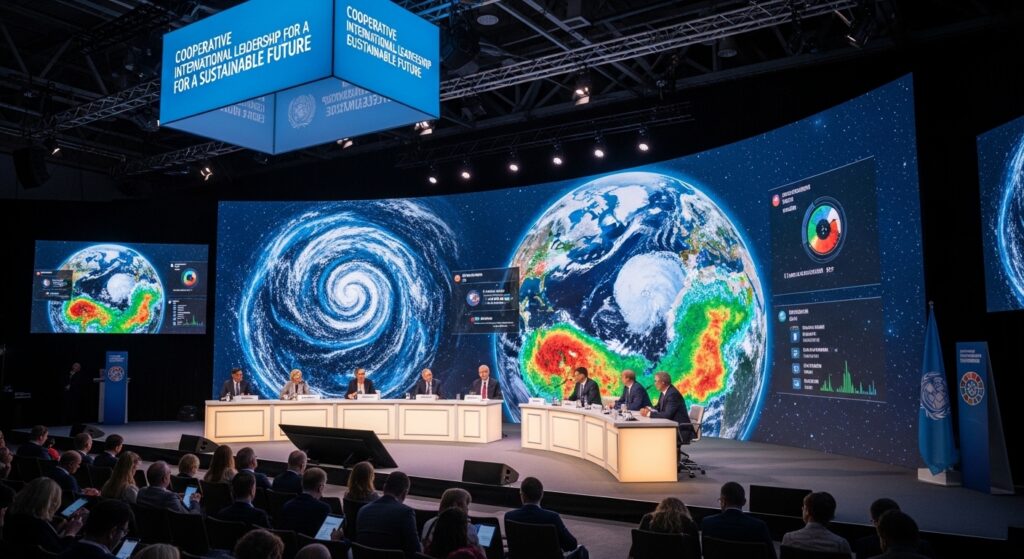
Beyond security and humanitarian action, the UN influences economic and environmental policies. Initiatives such as the Sustainable Development Goals encourage countries to align national policies with global development targets.
Organizations like the International Monetary Fund and the World Bank, while independent, often collaborate with UN frameworks to support development and financial stability strategies.
Climate agreements negotiated under UN platforms further demonstrate its role in coordinating global environmental policy.
Limitations and Criticism of UN Influence
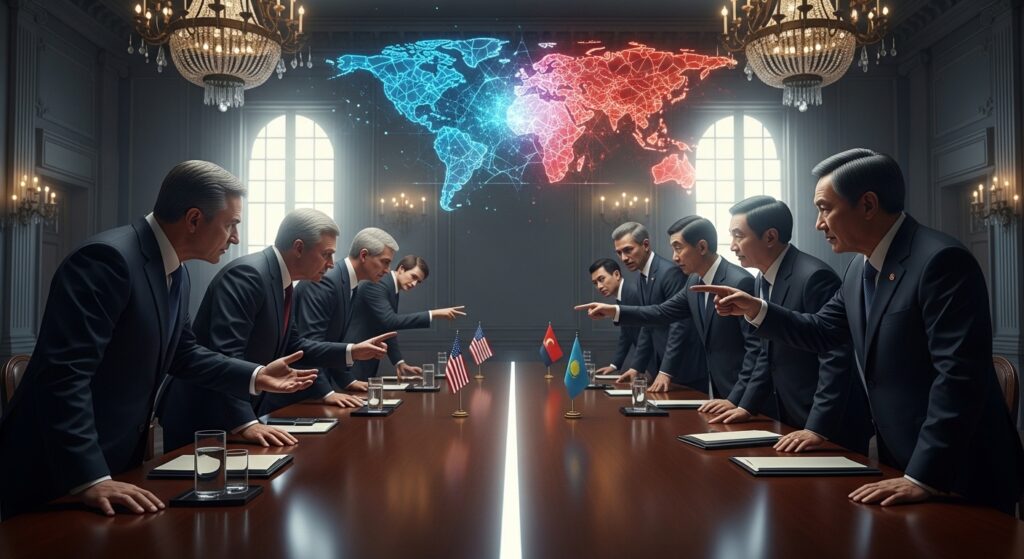
Despite its importance, the UN faces limitations that affect its ability to enforce policy outcomes. Political disagreements among powerful member states can delay decisions or weaken resolutions.
Criticism often centers on:
- Limited enforcement authority
- Bureaucratic complexity
- Dependence on member state cooperation
- Challenges in responding quickly to crises
These constraints highlight the difference between policy influence and direct policy control.
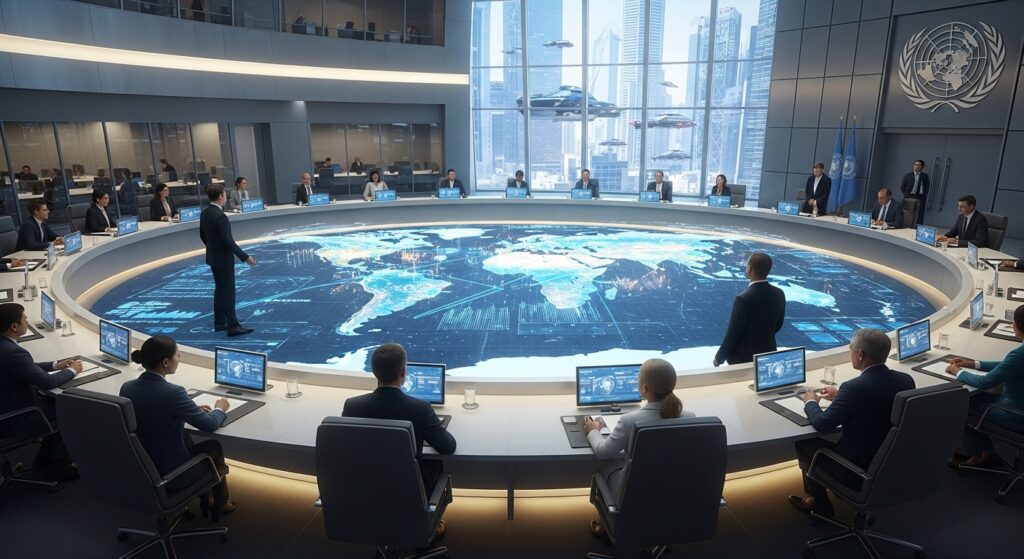
The Future of the United Nations in Global Governance
As global challenges become more interconnected — including cyber threats, climate change, migration, and economic inequality — the UN’s coordinating role is becoming increasingly important.
Future influence will likely depend on institutional reform, stronger multilateral cooperation, and the ability to adapt to shifting geopolitical power dynamics.
Rather than acting as a central authority, the UN may continue evolving as a platform that enables cooperation in a fragmented international system.
Conclusion — Influence Through Cooperation, Not Control
The United Nations’ influence on global policy lies in its ability to convene nations, shape international norms, and coordinate responses to shared challenges. While it does not possess direct enforcement power comparable to sovereign states, its diplomatic legitimacy and humanitarian leadership give it a unique role in guiding global priorities.
From peacekeeping and development programs to climate negotiations and crisis diplomacy, the UN continues to act as a cornerstone of international cooperation. Its effectiveness ultimately depends on the willingness of member states to collaborate, compromise, and uphold collective responsibility.
In a world facing complex and interconnected risks, the United Nations remains less a governing authority and more a vital facilitator — helping nations transform dialogue into coordinated global action.
- For You